Are bamboo socks actually better than cotton? An honest comparison
Are bamboo socks better than cotton? We compare softness, moisture, odour and sustainability, with sources, so you can decide for your own feet.
Bamboo socks are generally softer, more breathable and better at wicking moisture than cotton socks, thanks to a finer, more absorbent fibre structure. Cotton is cheaper and easier to find, and both fabrics can shrink or wear out depending on the knit and care. Neither is automatically "better" for every foot, but for sweaty feet or humid climates, bamboo tends to edge ahead.
If you have ever stood in a sock aisle wondering whether "bamboo" is a genuine upgrade or clever packaging, you are not alone. This guide breaks down what actually changes when you swap cotton for bamboo, based on how the two fibres are grown, processed and worn, not on marketing lines.
What is the real difference between bamboo and cotton socks?
The difference starts at the fibre level, before either one is even knitted into a sock.
Cotton fibres are naturally flat and twisted, like a ribbon. Bamboo fibres, once processed into bamboo viscose (the form almost all bamboo socks use), are round and smooth, which is why bamboo fabric tends to feel softer against skin from the first wear (Undershirts.co.uk).
That round fibre shape also has more surface area for absorbing moisture, which is part of why bamboo socks are often marketed for sweaty feet or long days on your feet. We cover that in more detail in our guide to the best socks for sweaty feet.
Almost no bamboo sock on the market is 100% raw bamboo. Most are bamboo viscose (also called rayon from bamboo) blended with a small amount of cotton or spandex for stretch and structure. If you want the full process, we walk through it in how bamboo fabric is made.

Which is softer, bamboo or cotton?
Bamboo, in most side-by-side comparisons. The round, smooth fibre structure creates less friction against skin than cotton's flatter fibre, which is the main reason bamboo fabric is often compared to silk or a lightweight modal (Undershirts.co.uk).
Cotton softness varies a lot by grade. Combed, long-staple cotton (like Pima or Egyptian cotton) can feel close to bamboo, while cheaper short-staple cotton felt in budget socks is noticeably rougher and stiffens faster after washing.
Does bamboo keep your feet cooler or warmer than cotton?
Bamboo's fibre structure is more breathable than typical cotton knits, which helps air move around your foot and can make bamboo feel cooler in warm, humid conditions. This matters in an Australian summer (December to February), when humidity as much as heat is what makes feet feel sticky and uncomfortable.
In cooler months, a slightly thicker bamboo knit can still feel warm without the bulk of thick wool or heavy cotton, since it manages moisture rather than trapping it. We go into more depth on this trade-off in why bamboo feels cooler or warmer.
Do bamboo socks actually stop smelly feet?
Partly, and it is worth being precise about why. Bamboo fibre wicks moisture away from skin efficiently, and drier feet give odour-causing bacteria less moisture to thrive in.
Where the claim gets overstated is "bamboo is naturally antibacterial." That is true of the raw bamboo plant, but most of those natural antimicrobial compounds are broken down during the chemical process that turns bamboo into soft, wearable viscose fabric. Independent studies disagree on how much, if any, of that effect survives processing: one Indian study found durable antibacterial activity in bamboo rayon, while a separate Chinese study found bamboo pulp fabric performed no differently to cotton (FiberCheck, The Moss River).
So the honest version is this: bamboo socks help manage odour mainly through moisture-wicking, not through a proven antibacterial effect in the finished fabric. If foot odour is your main concern, our guide on why your feet smell covers the fuller picture, including washing habits and shoe rotation.
Is bamboo fabric actually more sustainable to grow than cotton?
On the growing side, yes, with real numbers behind it. Cotton covers about 2.4% of the world's cultivated land but accounts for roughly 4.7% of global pesticide sales and around 10% of insecticide sales, a disproportionate footprint for its size (International Cotton Advisory Committee, via Better Cotton). Bamboo, by contrast, grows without pesticides or irrigation and regrows from its own root system after harvest, unlike cotton which is replanted each season (The Roundup).
Water use tells a similar story on the growing side. The World Wildlife Fund puts the water footprint of a single cotton t-shirt at around 2,700 litres, factoring in irrigation, dyeing and processing (WWF). Bamboo is rain-fed and needs no irrigation to grow, which is where most of its water advantage comes from.
The part that gets glossed over is what happens after harvest. Turning bamboo into wearable fabric requires chemical processing, and that stage is where sustainability claims can fall apart if a brand is not using responsible methods. We unpack this properly in is bamboo fabric sustainable, including what a closed-loop viscose process actually means and what to check before trusting a "sustainable" label.
Bamboo vs cotton socks: side-by-side comparison
| Bamboo socks | Cotton socks | |
|---|---|---|
| Softness | Rounder fibre, smoother against skin from first wear | Comfortable, but varies widely by cotton grade |
| Moisture-wicking | Fibre structure absorbs and moves moisture away from skin efficiently | Absorbs moisture but holds onto it, so socks stay damp longer |
| Odour control | Helps indirectly via moisture-wicking, not a reliable antibacterial effect once processed | Similar bacterial growth risk when damp, no inherent advantage |
| Breathability | Generally more breathable, suits humid conditions | Breathable when woven loosely, less so in thick or tight knits |
| Growing footprint | No pesticides, no irrigation, fast-growing and regrows after harvest | Higher water and pesticide use per kilogram of fibre |
| Processing footprint | Depends on the mill: closed-loop viscose processing reduces chemical waste, but not all suppliers use it | Lower chemical processing needs, but still uses dyes and finishing agents |
| Durability | Tends to hold shape and softness over repeated washes | Can thin, pill or stiffen with heavy washing over time |
| Price | Usually a few dollars more per pair | Generally the cheaper option upfront |
Which one should you actually buy?
If you deal with sweaty feet, wear socks most days, or live somewhere humid for large parts of the year, bamboo is the more practical choice. The moisture-wicking and softness advantages are real and hold up across multiple independent comparisons, even where the antibacterial marketing overreaches.
If budget is the deciding factor and you are not particularly prone to sweaty or irritated feet, a good quality cotton sock will still serve you fine. The biggest quality differences within cotton (staple length, knit density) often matter more than the cotton-versus-bamboo question itself.
For sensitive skin specifically, bamboo's smoother fibre can reduce friction and irritation, which we cover in bamboo socks for sensitive skin and eczema. And once you've picked a fabric, washing habits matter just as much: see how to wash bamboo socks to keep either fabric performing well for longer.
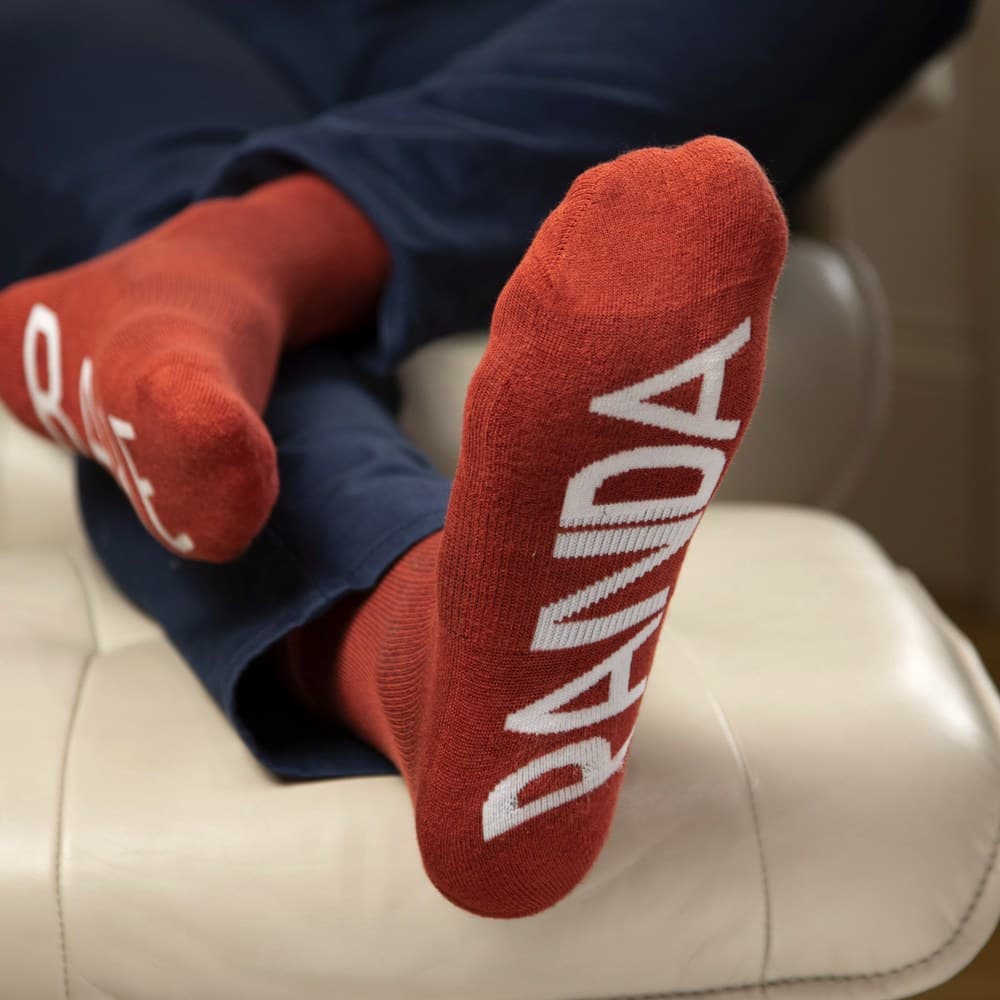
If you want to try the difference yourself, PandaBare's bamboo crew socks are a straightforward way to compare against your current cotton pairs without committing to a whole drawer swap.

Frequently asked questions
Are bamboo socks worth the extra cost over cotton? For most people, yes, if you wear socks daily or deal with sweaty feet. Bamboo socks usually cost a few dollars more per pair but hold their shape and softness longer, so the cost per wear often ends up similar to cotton.
Do bamboo socks really stop smelly feet? Bamboo socks help by wicking moisture away from skin faster than cotton, which gives odour-causing bacteria less to work with. This is a moisture-management effect rather than a proven antibacterial one, since bamboo's natural antibacterial compounds are largely lost during processing into fabric.
Can you wear bamboo socks in an Australian summer? Yes. Bamboo's fine, round fibre structure breathes well and wicks sweat, which suits humid Australian summers from December to February. Many people also find it comfortable in winter because it holds a light layer of warmth without feeling bulky.
Is bamboo fabric actually more sustainable than cotton? The bamboo plant itself grows fast without pesticides or irrigation, which is a genuine advantage over conventional cotton. How sustainable the final fabric is depends heavily on processing, so look for suppliers using closed-loop viscose production rather than taking sustainability on faith.
How long do bamboo socks last compared to cotton? Bamboo socks tend to hold their shape and softness for longer than cotton, which can go thin or stiff after repeated washing. Lifespan still depends on knit quality and how you wash them, so following care instructions matters more than the fibre alone.