How bamboo fabric is made (and what viscose really means)
How bamboo fabric is made, honestly explained. What "bamboo viscose" means chemically, closed-loop vs open-loop, and why it matters in Australia.
Most bamboo fabric, including bamboo socks, is made by breaking down bamboo pulp with chemicals (mainly sodium hydroxide and, in standard viscose, carbon disulfide) then re-spinning the dissolved cellulose into fibre. This is bamboo viscose, also legally called rayon from bamboo. Very little commercial "bamboo fabric" is bamboo in its raw, unprocessed form.
That is not a scandal. It is chemistry, and it is worth understanding before you buy anything labelled bamboo, because the word alone tells you almost nothing about how the fabric was made.
What is bamboo fabric actually made from?
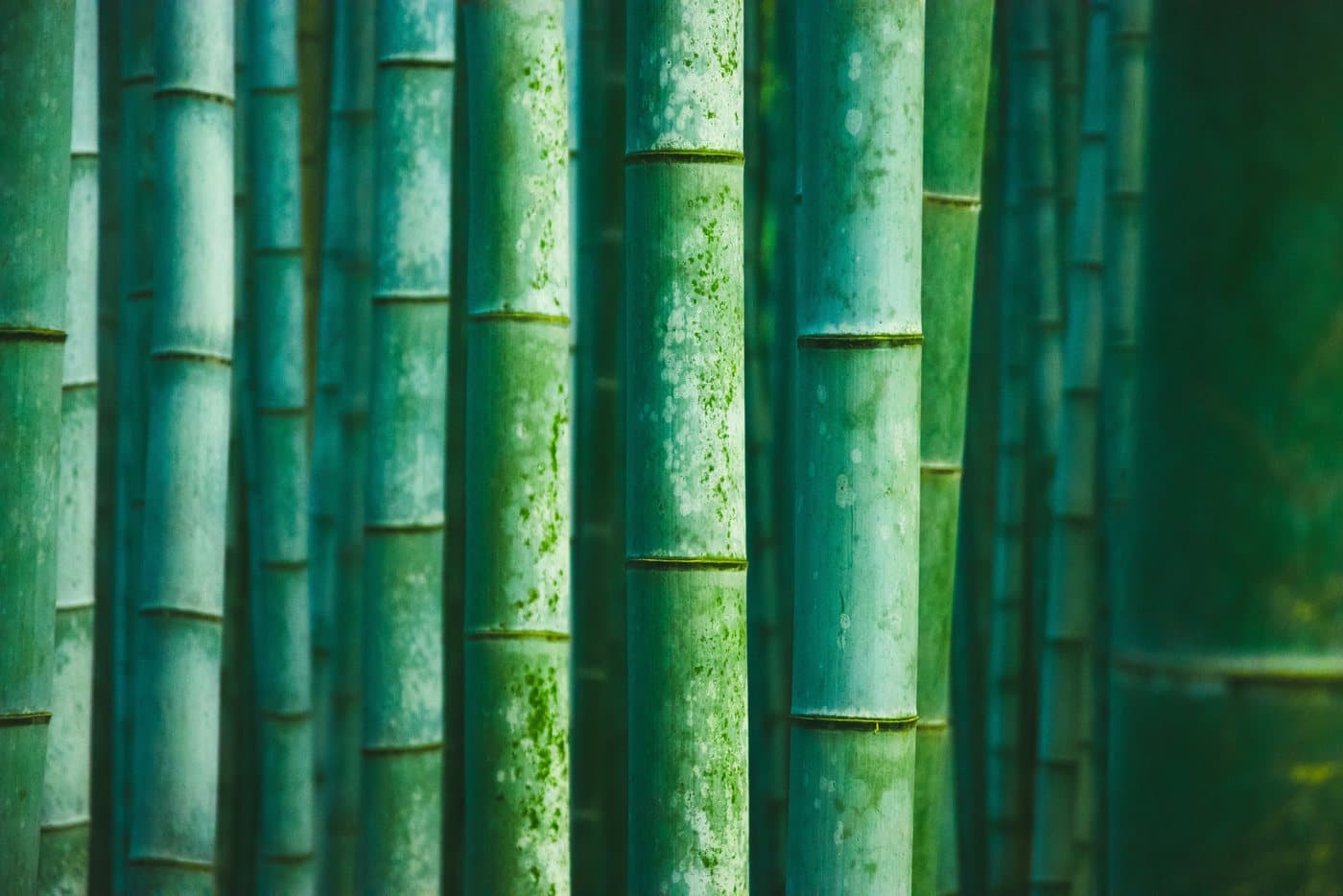
Bamboo fabric starts as bamboo stalks and leaves, which are mostly cellulose, the same base material used in cotton, wood pulp and most plant-based rayon. On its own, raw bamboo fibre is coarse and stiff, closer to a hard grass than a soft textile.
To get the soft, drapey handle you feel in a pair of bamboo socks, manufacturers need to break that stiff cellulose down and rebuild it into a fine, flexible fibre. That rebuilding is where viscose comes in.
There is a genuine mechanical alternative, usually called bamboo linen, where the stalk is crushed and combed rather than chemically dissolved. It behaves more like linen: stronger, coarser, and more expensive to produce at scale, which is why you will rarely see it in everyday socks or bedding (Sewport).
How is bamboo turned into viscose fabric, step by step?
Here is the standard commercial process, based on descriptions from textile manufacturers and industry explainers (New Asia Garment; Sewport):
| Step | What happens |
|---|---|
| 1. Harvest and chip | Bamboo stalks are cut and chipped into small pieces. |
| 2. Pulping | Chips are cooked with a solvent to extract cellulose and remove lignin, the woody binder. |
| 3. Steeping | The cellulose is soaked in sodium hydroxide (caustic soda) to form alkali cellulose. |
| 4. Chemical treatment | Alkali cellulose reacts with carbon disulfide, forming cellulose xanthate, a syrupy solution. |
| 5. Spinning | The solution is forced through a spinneret (a metal disc with tiny holes) into a bath of sulfuric acid, which hardens it into filaments. |
| 6. Washing and spinning into yarn | Filaments are washed, cut, and spun into yarn ready for knitting into fabric. |
By the end of that process, the original plant structure is gone. What remains is regenerated cellulose fibre, chemically closer to other rayons than to raw bamboo. This is why textile regulators require the more accurate label: rayon (or viscose) made from bamboo, not "bamboo" alone (FTC).
Closed-loop vs open-loop: what is the actual difference?
This is the detail most bamboo product pages skip past, and it matters more than the marketing suggests.
- Open-loop viscose: solvent and wastewater are treated (to varying standards) then discharged, rather than being fully captured and reused.
- Closed-loop viscose: the same chemicals are used, but a larger share of the solvent and water is captured, treated and reused within the plant rather than released.
- Lyocell (a different fibre entirely): uses a different, less toxic solvent, N-methylmorpholine N-oxide (NMMO), and is designed around near-total solvent recovery as part of the original process, not as a retrofit (sustainability-directory.com).
Here is the honesty gap. Brands routinely say their bamboo viscose is "closed-loop" as a blanket sustainability claim, without specifying what percentage of solvent is recovered or which chemical system they mean. One independent review of a major Australian bamboo brand's public claims noted it was unclear whether "closed-loop" referred to proper carbon disulfide capture or was borrowing credibility from lyocell's much higher-recovery NMMO process. Those are not interchangeable claims, and a shopper has no way to tell the difference from a product page alone.
Carbon disulfide itself is a real chemical with documented occupational health risks in poorly regulated viscose plants, including neurological effects from prolonged high exposure (NCBI). That is a manufacturing and worker-safety issue, not a wearer-safety one: the finished, washed fabric you buy is not carrying carbon disulfide residue. But it is a reason to care where and how a garment was actually made, not just what plant it started from.
Bamboo viscose vs lyocell vs bamboo linen: which is which?
| Bamboo viscose (rayon) | Bamboo lyocell | Bamboo linen (mechanical) | |
|---|---|---|---|
| Process | Chemical dissolution (NaOH, CS2) | Chemical dissolution (NMMO solvent) | Mechanical crushing, no dissolution |
| Solvent recovery | Varies, "closed-loop" claims not standardised | Typically very high, close to full recovery | Not applicable |
| Feel | Very soft, silky drape | Soft, slightly crisper than viscose | Coarser, linen-like |
| Cost to produce | Lower | Higher | Highest |
| Common uses | Socks, underwear, bedding, activewear | Premium bedding, some apparel | Niche apparel, homewares |
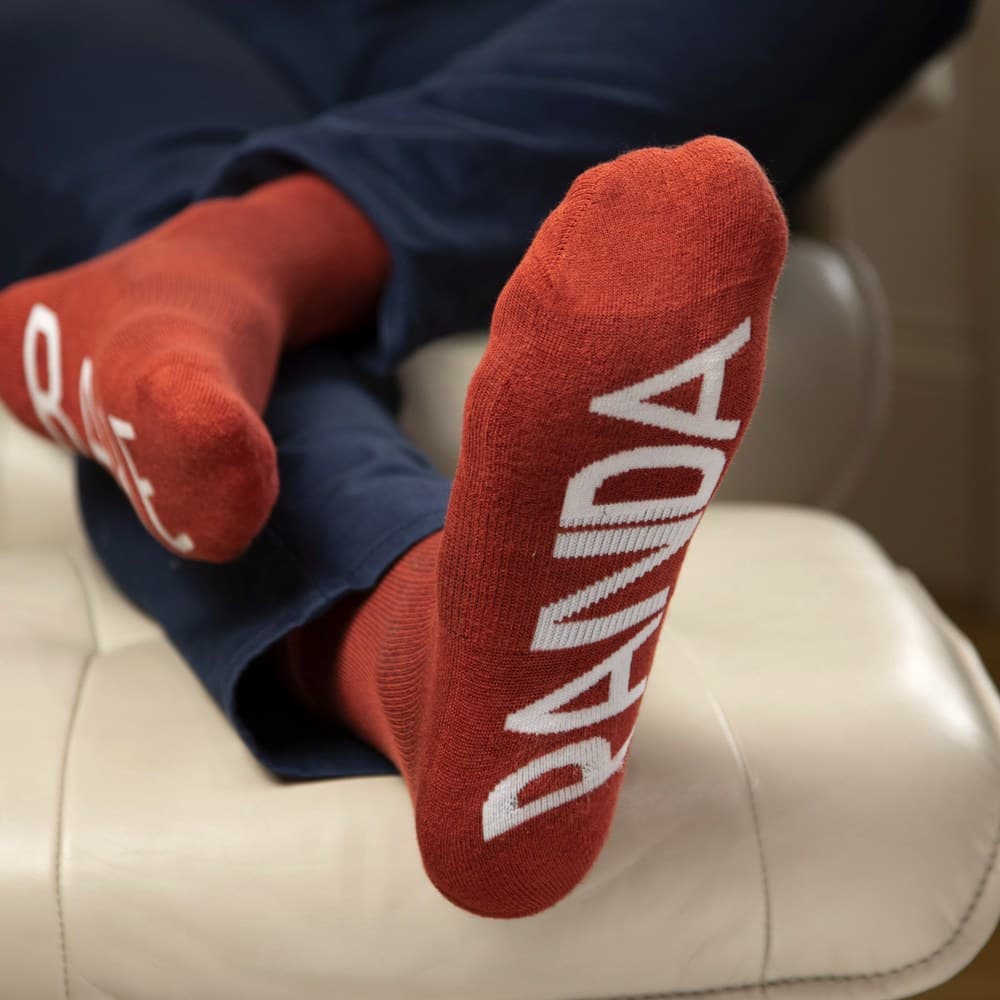
Most bamboo socks, including PandaBare's, are bamboo viscose. That is the industry standard for a reason: it delivers the soft, breathable, close-fitting feel people actually want from a sock, at a price that keeps a pair of everyday essentials affordable (Boody).
Why do brands say "bamboo" instead of "rayon from bamboo"?
Because bamboo sounds natural and rayon does not, even though the finished fibre is chemically the same family. Regulators have pushed back on this directly.
In the United States, the Federal Trade Commission has fined major retailers, including a $2.5 million penalty against Kohl's and $3 million against Walmart, for labelling bamboo-derived rayon simply as "bamboo" without disclosing the process, and for implying environmental benefits the finished fibre does not retain (FTC). Its guidance is explicit: textiles can be labelled "bamboo" only if made from actual bamboo fibre, and rayon made using bamboo as a plant source should be labelled as rayon or viscose from bamboo (FTC Bamboo Textiles guidance).
Australia has looked at the same question. A 2023 SBS News investigation found bamboo textiles sold locally were, more often than not, viscose, and that some marketing implied properties like UV protection or antimicrobial performance that do not survive the chemical process. The ACCC confirmed it is unlawful for a business to make false or misleading claims, and separately flagged a high proportion of concerning "green" claims in Australian textile marketing (SBS News).
Our take: call it what it is. PandaBare's socks are bamboo viscose, and we would rather you know that going in than discover it later and wonder what else wasn't said plainly.
What should you actually look for when buying bamboo fabric?
A few checks that tell you more than the word "bamboo" on its own:
- OEKO-TEX Standard 100 certification: independent testing against more than 1,000 substances, confirming the finished textile has no harmful chemical residue (OEKO-TEX).
- Specific process language: "viscose from bamboo" or "bamboo lyocell" tells you more than "bamboo fabric" alone.
- Stated solvent recovery, if a brand claims closed-loop: a real number is more useful than the word itself.
- Fit for purpose: for something worn daily against skin, like socks, softness and breathability matter more than which exact chemical dissolved the pulp. See our guide on bamboo socks for sensitive skin and eczema if reactivity is your main concern.
If you are weighing bamboo against other everyday fabrics, our guide on whether bamboo socks are actually better than cotton goes through fit, breathability and durability side by side. For the sustainability question specifically, including water use and biodegradability, see is bamboo fabric actually sustainable.
FAQ
Is bamboo fabric actually made from bamboo? Yes, but almost never in its raw form. Most bamboo fabric on the market, including bamboo socks, is viscose or rayon: bamboo cellulose that has been chemically dissolved and re-spun into fibre. Genuine mechanically processed bamboo textiles exist but are rare and usually called bamboo linen.
Is bamboo viscose safe to wear? The finished fabric is safe. The chemicals used to dissolve the cellulose are washed out and neutralised before the fibre is spun into yarn, and OEKO-TEX Standard 100 certification gives independent proof the finished textile has no harmful residue.
What is the difference between bamboo viscose and bamboo lyocell? Both dissolve bamboo cellulose chemically, but lyocell uses a less toxic solvent (NMMO) recovered at very high rates by design. Viscose typically uses carbon disulfide and caustic soda, and "closed-loop" viscose exists, though recovery rates and definitions vary by manufacturer.
Why do brands call it bamboo fabric instead of rayon? Bamboo sounds more natural to shoppers than rayon. Regulators disagree with the shortcut: the FTC in the US has fined major retailers for labelling bamboo-derived rayon as "bamboo" without disclosing the process, and Australian coverage has raised the same concern locally.
Does closed-loop processing make bamboo viscose sustainable? Closed-loop processing reduces water use and chemical discharge compared with open-loop viscose, which is a genuine improvement. It does not make the fabric chemical-free, and the term is used inconsistently across the industry, so it is worth asking what percentage of solvent is actually recovered.
Want the finished product rather than the chemistry lesson? Our bamboo crew socks and bamboo ankle socks are made from OEKO-TEX certified bamboo viscose, chosen for the way it actually feels on, not just the word on the label.