How to wash bamboo socks so they last years
How to wash bamboo socks the right way: cold water, no softener, no tumble dryer. The do/don't table that keeps them soft for years.
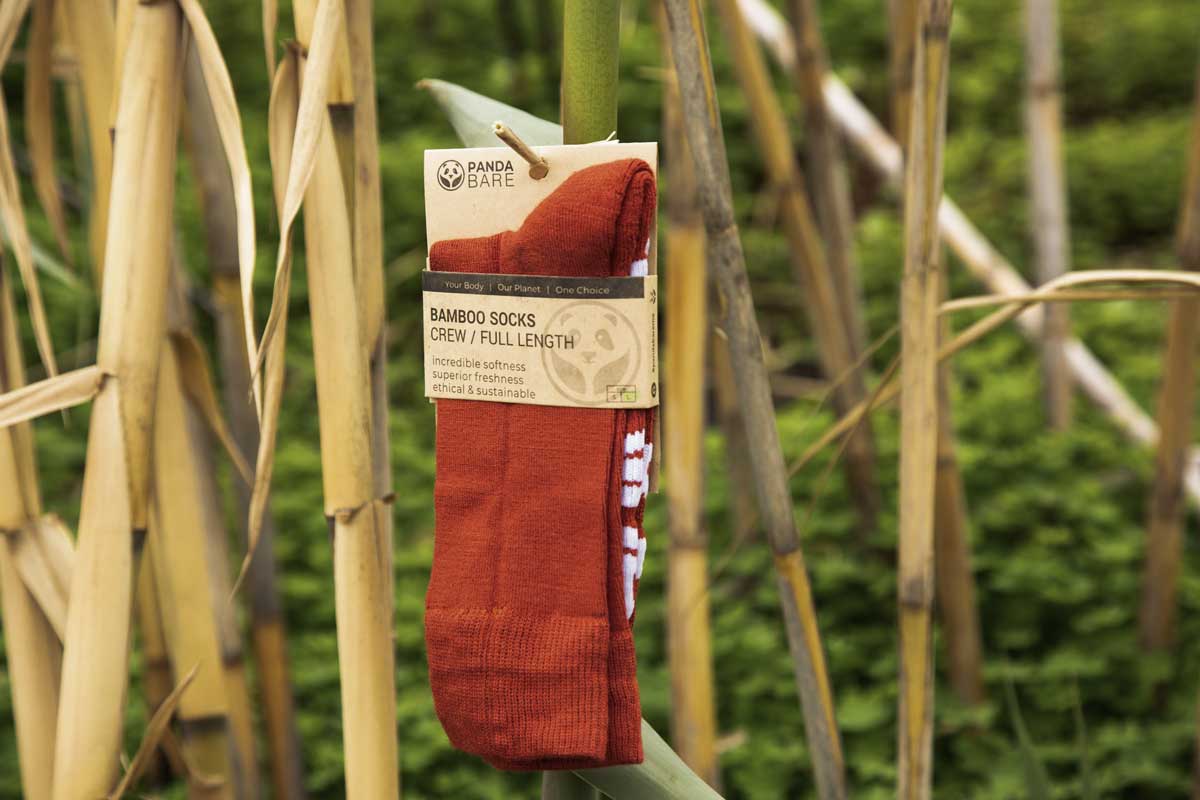
Wash bamboo socks in cold to warm water (under 30 degrees C), with a mild liquid detergent, no fabric softener, no chlorine bleach. Turn them inside out, use a mesh bag if machine washing, and skip the tumble dryer. Line dry or dry flat in shade. Done properly, a pair of good bamboo socks should hold their softness and shape for two to three years of regular wear.
That is the short version. Here is why each step matters, and what actually happens to bamboo viscose fibres when you get it wrong.
Why does washing bamboo socks the wrong way ruin them so fast
Bamboo sock fibre is usually bamboo viscose (sometimes called bamboo rayon), a regenerated cellulose fibre made from bamboo pulp. It is soft and breathable, but the cellulose structure is sensitive to heat and friction.
Hot water and high heat drying cause the fibres to swell and contract repeatedly. Over several washes, that cycle weakens the fibre, which shows up as thinning, shrinkage, or a rougher feel where the sock once felt silky (Cariloha, bamboo viscose care).
The friction of tumble drying compounds this. Heat combined with the mechanical tumbling action can fray and break individual fibres, which is where pilling and thinning at the heel and toe start (SilverBobbin, does viscose shrink). None of this happens overnight. It is cumulative, which is exactly why a sock that felt amazing at purchase can feel average after a few months of the wrong wash routine.
If you want the full picture on what makes bamboo viscose different from other fabrics in the first place, see our guide on how bamboo fabric is made.
What temperature should you wash bamboo socks at
Cold water is safest. Warm water up to around 30 degrees C is fine for a normal load. Anything hotter risks shrinkage and fibre breakdown.
This lines up with general bamboo viscose care guidance, which consistently points to a gentle, cool wash as the baseline for the fabric (Cariloha bamboo sheets guide). If your washing machine has a "delicates" or "wool" cycle, that is usually the gentlest agitation setting and works well for socks too.
One practical note for Australia: most home washing machines here default to cold anyway, and cold washing also uses less energy than a warm or hot cycle, so there is no real trade-off to make.
Should you use fabric softener on bamboo socks
No. Skip it entirely.
Bamboo viscose is naturally soft because of the fibre structure, not because of any coating. Fabric softener works by leaving a thin waxy film on fibres, and on bamboo that film builds up over repeated washes, reducing breathability and making socks feel stiffer rather than softer over time. If you want extra softness, a smaller detergent dose and a good rinse cycle do more good than softener ever will.
Can you put bamboo socks in the dryer
Occasionally on low heat, yes. As a habit, no.
Line drying or drying flat is the better default, and it happens to suit the Australian climate well. Most capital cities get enough sun and airflow for socks to dry within a few hours outside, even in winter (June to August), as long as they are not in deep shade all day.
There is also a cost angle. Sustainability Victoria estimates line drying instead of machine drying can save Australian households real money on energy bills over a year, since a single dryer cycle typically uses 3 to 5 kWh of electricity (Sustainability Victoria, clothes dryers). For something as small and quick-drying as socks, air drying is the easy win: cheaper, gentler on the fibre, and it takes the dryer out of the equation for your most heavily worn item.
If you do need the dryer for a quick turnaround (packing for a trip, for example), use the lowest heat setting and take socks out slightly damp rather than running a full cycle. For a broader travel packing routine, see our long-haul flight comfort kit guide.

Do bamboo socks pill, and how do you stop it
Some do, some don't, and the difference usually comes down to construction rather than the fibre itself.
Bamboo viscose fibres are long and smooth compared to short-staple cotton, which in a tightly knitted sock reduces the friction points that cause pilling. But loosely woven or low-grade bamboo blends can still pill within 10 to 15 washes, since shorter or thinner strands within the yarn work loose over time (KikiTextiles, does viscose shrink).
Three habits reduce pilling regardless of sock quality:
- Turn socks inside out before washing, so the outer surface faces in rather than rubbing against zips and rougher fabrics.
- Wash with similar-weight items, not with towels or denim that create friction.
- Use a mesh laundry bag, which keeps socks from tangling and stretching against heavier garments.
For a side-by-side of how bamboo actually compares with cotton day to day, not just in the wash, see are bamboo socks better than cotton.
How often should you wash bamboo socks
After every wear, same rule as any sock. Bamboo's natural moisture-wicking means they resist odour longer than synthetic socks, but "resists longer" is not "never." Sweat, dead skin cells and everyday grime still need a full wash cycle to come out, and skipping washes accelerates wear on the elastic in the cuff.
If you are working out how many pairs you actually need to keep a sensible wash rotation going without overwashing any one pair, our guide on how many pairs of socks you need breaks down the maths.
The bamboo sock care table: do this, not that
| Do | Don't | |
|---|---|---|
| Water temperature | Cold to warm, up to 30 degrees C | Hot water above 30 degrees C |
| Detergent | Mild liquid detergent, normal dose | Fabric softener, chlorine bleach |
| Wash setting | Gentle or delicates cycle | High-agitation or heavy-duty cycle |
| Prep | Turn inside out, use a mesh bag | Wash loose with towels, denim or zips |
| Drying | Line dry or dry flat in shade | Full tumble dry on high heat |
| Storage | Fold or roll flat in a drawer | Peg tightly by the cuff for long periods (stretches elastic) |
| Odour control | Wash after every wear | Wear multiple days between washes |
This is a simpler version of what most bamboo sock brands print on the label. Boody's care instructions call for a warm wash and low tumble dry or line dry (Boody product care), while Bamboozld's care guide recommends a warm wash, warm rinse, no bleach, and air or line drying with no tumble dryer at all (Bamboozld care guide). PandaBare socks sit in the cooler, gentler end of that range: cold to warm, air dried, to get the longest life out of the fibre.
How to store bamboo socks between washes
Fold or roll socks rather than pegging them tightly by the cuff for storage, which can stretch out the elastic band over time. A drawer with some airflow is fine. There is no need for anything special here: bamboo doesn't need cedar blocks or specific humidity control the way wool sometimes gets recommended.
If you are building out a full sock rotation or comparing styles for different uses, our crew vs ankle socks guide and the bamboo socks Australia buyers guide cover which pairs suit which situations.
A well-cared-for pair of bamboo crew socks or bamboo ankle socks from PandaBare should hold its shape, softness and colour for two to three years of regular wear when you follow the cold wash, no softener, air dry routine above. That is a realistic bar to hold any sock to, and it is one bamboo viscose can meet when it is treated right.
FAQ
Should you wash bamboo socks in cold or warm water? Cold to warm water, up to about 30 degrees C, is the safe range for bamboo viscose socks. Hotter water breaks down the cellulose fibres over time, which shows up as shrinkage, thinning and a rougher hand feel after only a few washes.
Can you tumble dry bamboo socks? You can, occasionally, on the lowest heat setting, but it is not the best habit. Heat and tumbling friction weaken bamboo viscose fibres faster than air drying does, so line drying or drying flat is the better default in most Australian climates.
Do bamboo socks pill more than cotton socks? It depends on the weave. Well-spun bamboo viscose with a tight knit resists pilling better than short-staple cotton because the fibres are longer and smoother. Loosely knit or low-quality bamboo blends can pill after 10 to 15 washes, so construction matters more than the fibre name alone.
Why should you avoid fabric softener on bamboo socks? Fabric softener coats the fibre in a waxy residue that builds up wash after wash. On bamboo viscose this dulls the natural softness, reduces breathability and can leave socks feeling stiffer over time, which defeats the reason you bought them.
How many times a week should you wash bamboo socks? Wash after every wear, same as any sock. Bamboo's natural moisture-wicking means they will not smell as fast as synthetic socks, but sweat and skin oils still need a proper wash cycle to keep the fibres clean and elastic intact.