Long-haul flight comfort kit: what seasoned travellers actually pack
A long-haul flight comfort kit that actually works: what seasoned Australian travellers pack for 15+ hour flights, and why it matters. See the checklist.
A long-haul flight comfort kit is a small, repeatable set of items you pack the same way every trip: breathable socks, a sleep mask, lip balm, a refillable water bottle and a compact pouch to hold it all. It solves the three things that wreck a long flight: dry air, cold feet, and light you cannot control. Seasoned flyers pack less than you'd think.
If you fly out of Australia, you already know the maths. Perth to London is around 17 hours 45 minutes nonstop, Melbourne to Dallas runs close to 16, and Project Sunrise routes from Sydney will eventually push past 20. There is no version of that trip where you wing it with whatever is in your day bag. You need a kit, not a scramble.
What actually goes in a long-haul flight comfort kit
Frequent flyers tend to converge on the same short list, because the cabin environment creates the same problems on every long flight, regardless of airline.
Here's a checklist broken down by category, built around what actually changes how a long flight feels rather than what looks good in a "travel essentials" roundup:
| Category | Item | Why it matters |
|---|---|---|
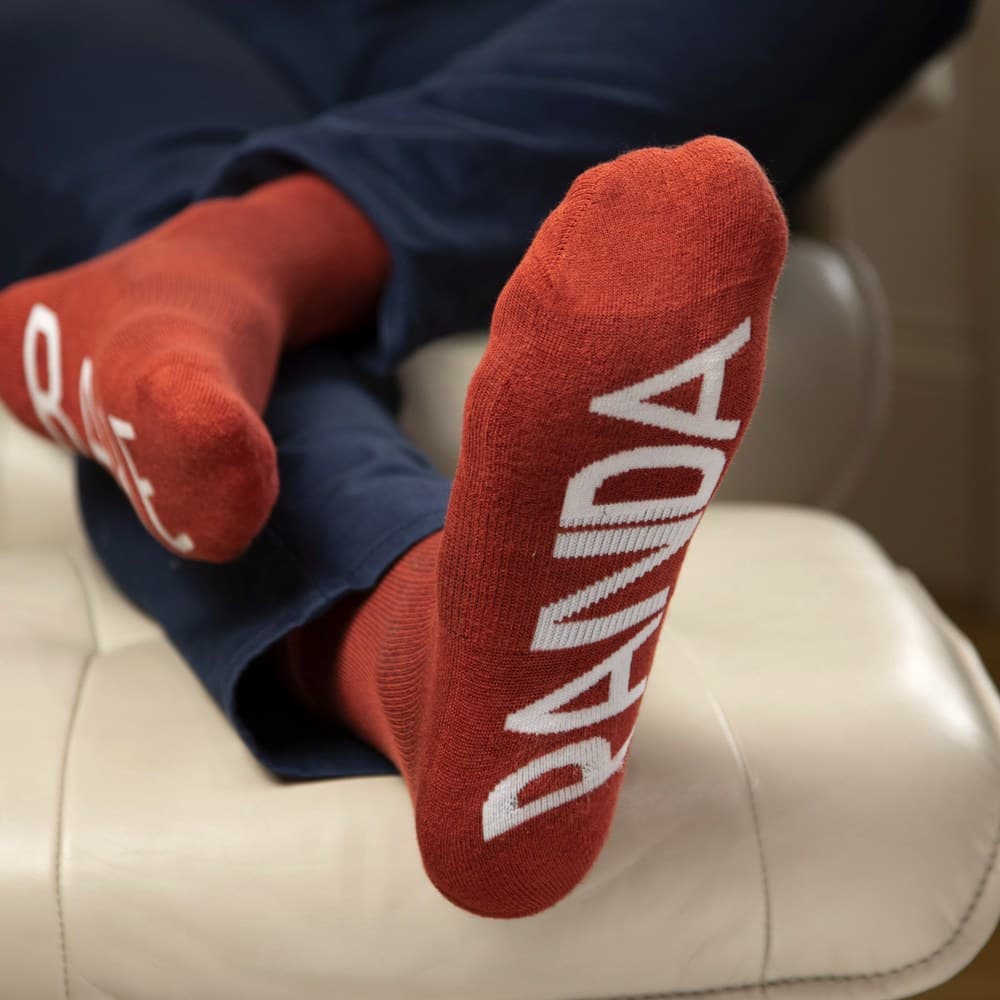
| Comfort | Bamboo crew or ankle socks | Cabins run cold once the lights dim; breathable natural fibre regulates temperature better than synthetic blends |
| Comfort | Sleep mask | Blocks cabin lighting and other passengers' screens, a prerequisite for any real sleep |
| Comfort | Sport wristband | Useful for wiping condensation, cabin dust or a stray sneeze without hunting for tissues |
| Hygiene | Travel pouch | Keeps socks, mask and small items together and out of your bag's main compartment |
| Hygiene | Hand sanitiser, wipes | Recommended for keeping high-touch tray tables and seat areas clean |
| Health | Refillable water bottle | Aerospace medicine guidance suggests roughly 250ml of water per hour in the air |
| Health | Moisturiser and lip balm | Counteracts the dehydrating effect of low cabin humidity on skin and lips |
| Health | Any prescription medication | Always in carry-on, never checked luggage |
| Entertainment | Downloaded shows, podcasts, a paperback | Screen fatigue is real on a 15+ hour sector; a physical book gives your eyes a break |
For a full breakdown of what to physically carry on board beyond the comfort layer, our carry-on essentials guide for Australian travellers covers documents, electronics and security-friendly packing.
Why does cabin air feel so dry and cold?
Because it genuinely is. Aircraft draw air from outside at cruising altitude, where humidity is close to zero, then repressurise it without adding much moisture back.
The World Health Organization notes that most aircraft cabins sit at around 20 percent humidity, and can drop as low as 10 percent on longer sectors. Some newer aircraft, including the Airbus A350 and Boeing 787, manage closer to 22 percent by design, but that is still well under half of what the EPA recommends for a comfortable home (30 to 50 percent).
That dryness does a few specific things on a long flight:
- Dries out sinuses and mucous membranes, reducing their normal defences
- Dries eyes, which is why they feel gritty after hour six or seven
- Compounds general dehydration, which is linked to headaches and muscle cramps
None of this is dangerous on a typical flight. But it explains why your skin feels tight by descent, why lip balm disappears from every seasoned traveller's bag, and why breathable fabric against your skin for 15 hours straight makes a bigger difference than it sounds like it should.
Do compression socks or breathable socks really make a difference?
Yes, and the evidence is stronger than most packing lists let on.
A review of clinical trials found that graduated compression stockings meaningfully reduce ankle swelling on flights over four hours, and separately lower the risk of symptomless deep vein thrombosis, with researchers estimating close to a 90 percent reduction in odds when compression stockings were worn compared to not wearing them. The American Heart Association has also weighed in, noting the benefit is most relevant for flights of four hours or longer and for travellers already prone to swelling.
That's medical-grade compression, not the same thing as a soft bamboo sock. What breathable, well-fitted socks do offer on a long sector is simpler: they keep your feet at a stable temperature instead of overheating in enclosed cabin shoes or going cold once the crew dims the lights, and they don't dig into your ankle the way tight synthetic socks can after eight or nine hours seated. That's comfort, not a medical claim, but on a 17-hour sector, comfort is most of the battle.
If you want the deeper comparison between sock fabrics for flying specifically, see our guide on the best socks for flying.
How do I actually sleep on a long-haul flight in economy?
Sleep on a plane is possible, but it depends on removing variables rather than finding one magic trick.
A few things consistently help:
- Block light completely. A mask that seals around the nose, not just a strip of fabric over your eyes, matters more than people expect.
- Limit alcohol and caffeine. Alcohol shortens the time it takes to fall asleep but fragments the sleep you get, according to CDC travel health guidance.
- Stay hydrated. Volume depletion from dehydration worsens the physical symptoms that keep you awake.
- Dress in temperature layers. Cabin temperature swings more than people plan for, particularly overnight sectors where crew lower it deliberately to encourage sleep.
We go into the mechanics of this in more depth in how to sleep on a plane in economy, including seat positioning and timing your sleep window against the flight plan rather than fighting it. If you're deciding what makes a sleep mask worth buying in the first place, our guide on what to look for in a sleep mask breaks down the fit and fabric details that actually matter.
How do I deal with jet lag flying out of Australia?
Jet lag is mostly a light and timing problem, not something you can pack your way out of, but preparation still shortens it.
The Sleep Foundation recommends shifting your sleep schedule by about an hour a day in the direction of your destination for two to three days before you fly. Once you land, the CDC's guidance is to set your watch to local time immediately, get outside for natural light during the local day, and avoid long naps that delay adjusting to the new night-day cycle.
As a rough rule, expect about one day of recovery for every time zone you cross. Flying Melbourne to Dallas or Sydney to London crosses somewhere between 9 and 11 time zones depending on the season, which is a genuinely long adjustment. There's no shortcut for that. But arriving less dehydrated, having actually slept some hours on the plane, and not fighting cold feet or bright cabin light for the whole sector all make the adjustment easier.
Building a repeatable kit instead of re-packing every time
The travellers who find long-haul flights the least miserable tend to have one thing in common: they don't rebuild their kit from scratch every trip.
They keep a small set of the same items, ready to go, in the same pouch. Socks that don't need thinking about. A mask that already fits. A wristband that's just there when you need it. It sits in the same spot in the carry-on, every time.
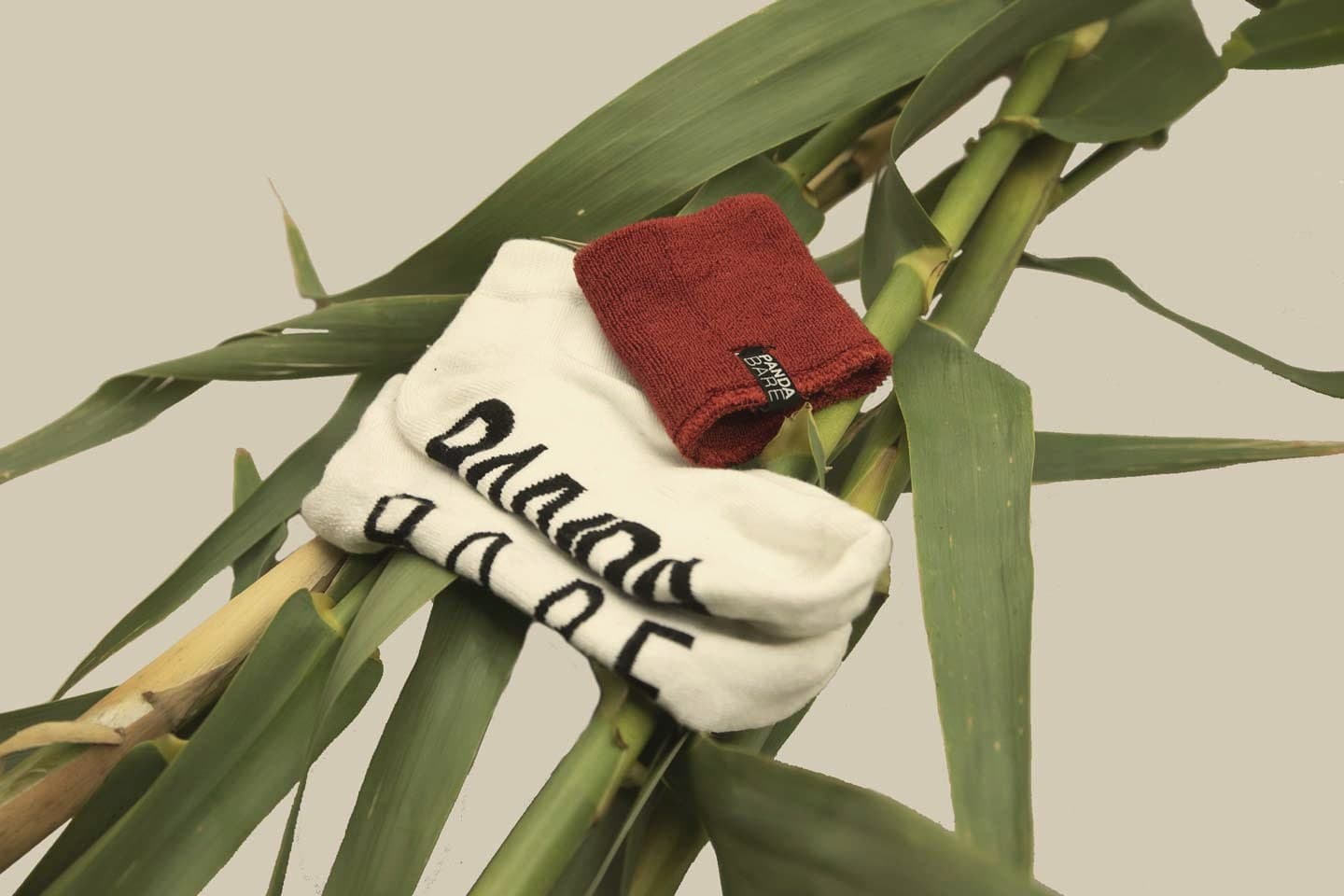
That's the idea behind the PandaBare Comfort Kit: bamboo crew or ankle socks, a sleep mask, and a sport wristband, packed into a travel pouch sized to fit in a day bag without a second thought. Not a gadget list. Just the handful of things that make a 15-hour flight feel like a normal Tuesday rather than an ordeal, ready before you've even started thinking about what to pack.
FAQ
What should I pack in a long-haul flight comfort kit? Pack breathable socks, a sleep mask, a small pouch to keep it all together, lip balm and moisturiser for dry cabin air, a refillable water bottle, and layers you can add or remove. The goal is a small, repeatable kit, not a suitcase of gadgets.
Why is the air on a plane so dry? Cabin air is drawn from outside at cruising altitude, where humidity is near zero, then repressurised without adding much moisture back in. Most cabins sit around 10 to 20 percent humidity, well below the 30 to 50 percent recommended for homes.
Do compression socks actually help on long flights? Clinical research shows graduated compression stockings reduce ankle swelling and lower the risk of symptomless deep vein thrombosis on flights over four hours. If you're not using medical-grade compression, breathable socks that don't dig into your ankle still help with comfort over a long sitting stretch.
How do I deal with jet lag on a long-haul flight from Australia? Shift your sleep schedule slightly in the days before you fly, stay hydrated and limit alcohol on board, then set your watch to destination time and get outside for daylight as soon as you land. Most people need roughly one day of recovery per time zone crossed.
What is the one item worth buying before a long-haul flight? A proper sleep mask that fully blocks light, paired with warm, breathable socks. Cabins get cold once the lights dim, and cold feet combined with light exposure are two of the easiest things to fix with the right small items.
GENERATION PROMPT (not yet generated): soft, tactile, premium style photograph, linen and warm off-white tones, bamboo as accent only, no cartoon pandas, no fake-looking product renders, natural light. A neat travel pouch, unzipped, with a folded pair of bamboo socks, a sleep mask and a wristband laid out beside it on an aircraft tray table or a linen surface. Calm, quiet styling, no visible branding or logos, shot from a slight overhead angle.