The best socks for flying (and why compression is not the only answer)
Best socks for flying, explained honestly: what compression does, who needs it, and why fit and breathability matter for most Australian travellers.
The best socks for flying are not automatically compression socks. For most healthy travellers, a well-fitted, breathable sock that does not squeeze the ankle matters more than compression grade. Graduated medical compression helps specific higher-risk groups, but for the average passenger, fit, breathability and moisture control do more of the daily work, alongside regular movement.
That is not the answer most "best socks for flying" articles give you. Most jump straight to compression, because it sounds authoritative and it is genuinely backed by research. But the research is more specific than the headlines suggest, and if you are a healthy adult flying Sydney to London for a wedding, you are in a different risk category to someone with a clotting disorder or six weeks post-surgery.
This guide separates the two. We will look at what compression socks actually do, who the evidence says benefits most, and what actually matters for everyone else on a long-haul flight out of Australia.
What does the DVT research on flights actually say
Deep vein thrombosis (DVT) is a blood clot that forms in a deep vein, usually in the leg. Sitting still for long periods, as you do on a flight, is one known risk factor.
Here is what the numbers actually look like. A Cochrane systematic review of 12 randomised controlled trials covering 2,918 passengers found high-certainty evidence that compression stockings reduce asymptomatic DVT on flights over four hours: the odds ratio was 0.10 (95% CI 0.04 to 0.25), which translates to a drop from a few tens per 1,000 passengers down to roughly 2 to 3 per 1,000 in the stockinged group (Cochrane Library).
That is a meaningful reduction in a specific, mostly symptomless outcome picked up on ultrasound screening. It is not the same as a reduction in noticeable, symptomatic clots or in pulmonary embolism, because the trials were not large enough to measure those rarer events.
For context on baseline risk: symptomatic DVT in otherwise healthy travellers on flights of six to eight hours or longer affects an estimated 2 to 5 people per 10,000, according to research summarised by vascular and travel health researchers (American Heart Association). Risk climbs for people with more risk factors, up to around 20 per 10,000 in groups with varicose veins or higher body weight.
For an Australian traveller, this matters more than it does for people flying mostly domestic or short-haul routes. Sydney to London is around 22 hours in the air. Perth to London direct runs close to 17 hours. That is a lot more continuous seated time than most short-haul-heavy countries deal with, which is exactly the exposure window the Cochrane data is about.
Do healthy travellers need compression socks
For most healthy adults with no other risk factors, no. The evidence supports compression for reducing symptomless swelling and clot markers, and it is a reasonable choice if you want that extra layer of protection on a long sector.
But it is not the only lever available, and it is not automatically the right one for everyone. The CDC's own travel health guidance notes there is no strong evidence that dehydration alone drives flight-related clot risk, yet staying hydrated is still sensible and low-risk (CDC Yellow Book). The same logic applies to sock choice: compression is one input, not the whole picture.
What actually reduces risk for most people, according to the same body of research, is moving. Walking the aisle every one to two hours, doing seated calf pumps and ankle circles, and avoiding staying rigid in one position for the whole flight all support circulation regardless of what is on your feet.
If you are in a higher-risk group, this section does not apply to you in the same way. Keep reading.
Who should actually wear medical-grade compression socks
Graduated compression stockings are a legitimate medical tool, and they matter more for some travellers than others. If any of the following apply to you, talk to your GP before you fly about properly fitted, graduated compression stockings, not the general travel socks sold at the airport newsagent:
- a personal history of DVT or pulmonary embolism
- recent surgery, particularly hip, knee or abdominal
- pregnancy
- a known clotting disorder or family history of one
- active cancer treatment
- significant immobility beyond normal economy seating (leg casts, mobility aids)
A GP or vascular specialist can advise on the right compression grade (commonly 15 to 20 mmHg for general travel support, higher for specific medical need) and correct fit, which matters because a poorly sized compression stocking can be uncomfortable or ineffective. This is not something a general comfort sock, bamboo or otherwise, is designed to replace.
What actually matters for the average traveller's socks
If you are not in a higher-risk group, here is what to actually look for in a flying sock, in order of how much it affects an average long-haul trip.
Fit at the ankle and calf. Nothing that leaves a deep red line after three hours. A snug non-graduated band is fine; a genuinely tight one can restrict circulation rather than help it, which is the opposite of what you want.
Breathability and moisture management. Feet swell on flights partly from fluid shifting with prolonged sitting, and partly from heat and sweat building up inside a shoe for 10-plus hours. A fabric that moves moisture away from skin keeps feet more comfortable and reduces the clammy feeling that makes swelling feel worse than it is. Bamboo viscose fibre performs well here because it is naturally moisture-wicking and breathable, which is useful over a long, sedentary, temperature-variable cabin day.
Cushioning without bulk. You want enough cushion that your feet are not sore after standing in security queues, but not so much sock that your shoes feel tight, which brings back the same restriction problem as an overly firm cuff.
Temperature regulation. Cabins run cool, then get stuffy, then cool again. A breathable sock that does not trap heat helps you avoid the swollen, overheated feeling by hour eight.
None of this replaces medical compression for someone who needs it. But for the average healthy traveller, this is the combination that actually makes a long flight more comfortable, which is a different (and more achievable) goal than clot prevention.

Compression socks vs breathable bamboo socks: which one is for you
| Graduated compression socks | Breathable bamboo socks | |
|---|---|---|
| What they do | Apply graduated pressure (tighter at ankle, looser up the leg) to support venous blood flow | Wick moisture, regulate temperature, avoid tight bands that restrict circulation |
| Best for | Travellers with DVT history, recent surgery, pregnancy, clotting disorders, or those wanting extra swelling protection on very long sectors | Healthy travellers focused on general comfort, sweat and swelling management on long-haul flights |
| Evidence base | High-certainty evidence for reduced asymptomatic DVT and swelling on flights over 4 hours (Cochrane) | General comfort and moisture-wicking benefit; not tested as a DVT-prevention intervention |
| Fit needed | Correct graduated compression grade, properly measured, ideally GP-advised for at-risk travellers | Relaxed, non-restrictive fit at ankle and calf |
| Where to buy | Pharmacy or medical supply, fitted to your measurements | Everyday travel and lifestyle stores |
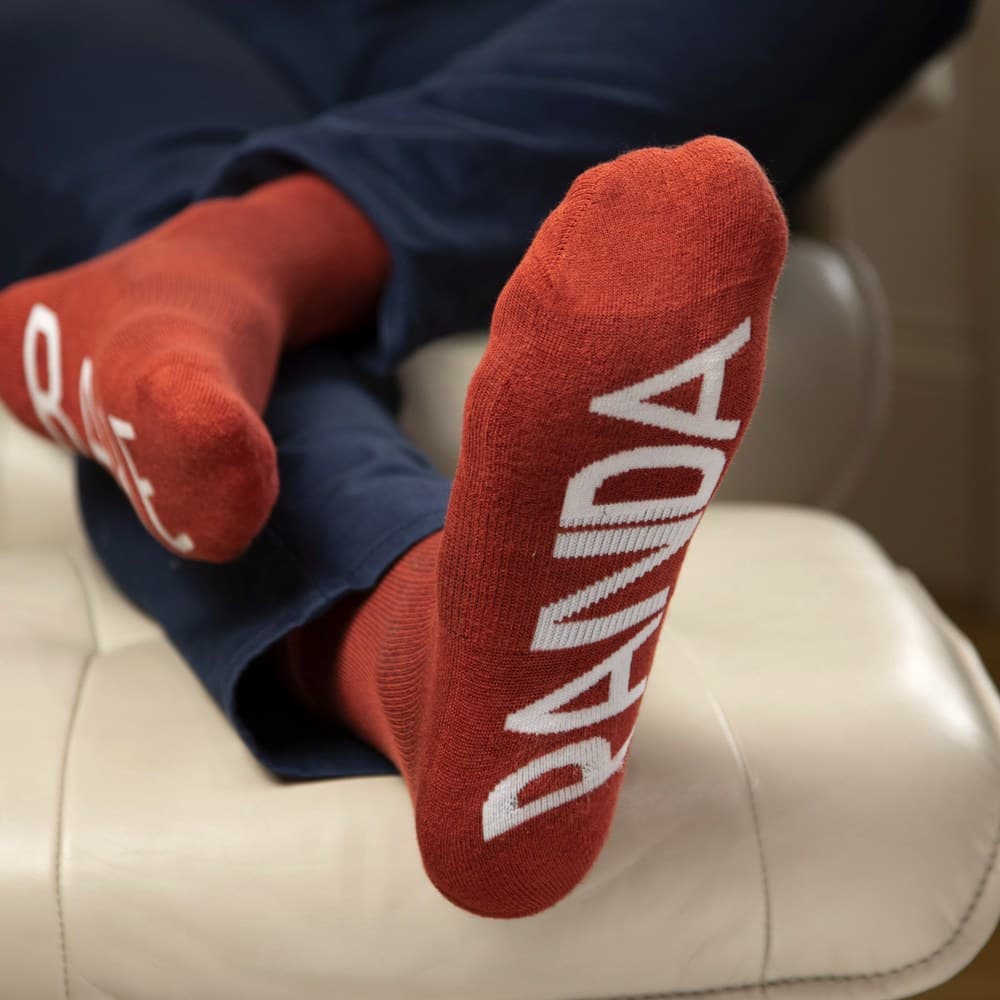
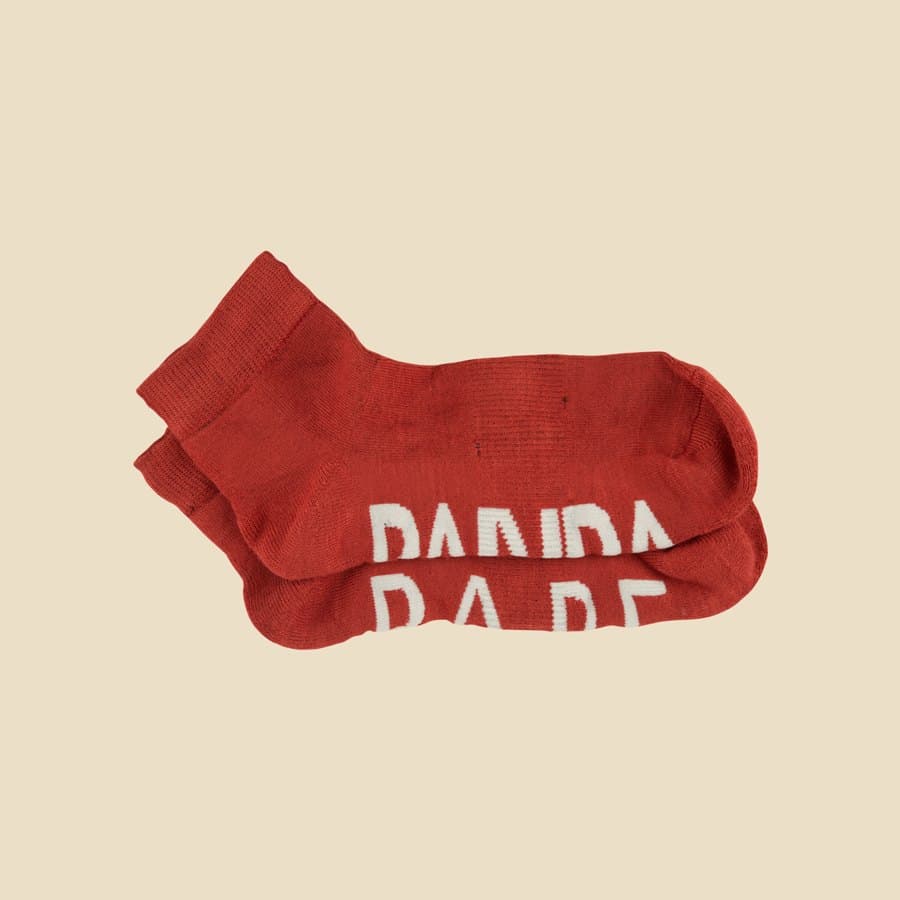
| PandaBare offering | Not sold, by design: this is a medical product that needs proper fitting | Bamboo crew socks and bamboo ankle socks |
What to pack instead of relying on socks alone
Sock choice is one part of a long-haul comfort routine, not the whole strategy. The things that make the biggest difference alongside your socks:
- Move every one to two hours. Walk the aisle, do a few calf raises at your seat.
- Stay hydrated, and go easy on alcohol, which does not help and does not hurt directly per the DVT research, but does dehydrate you and disrupt sleep.
- Layer for temperature swings. Cabins run cold at cruise and warm during boarding.
- Pack a few comfort essentials together so you are not digging through carry-on at 3am cabin lights: socks, a sleep mask, and something for your wrists if you tend to swell there too.
This is exactly what we built the PandaBare Comfort Kit for: a curated set that pairs bamboo crew socks, a sleep mask and a travel pouch so the whole in-flight routine is sorted before you board, not assembled from four different amazon orders the week before.
For the sleep side of a long flight, our guide on how to sleep on a plane in economy goes further into positioning, timing and what actually helps you land closer to your destination time zone. And if you are still packing, the carry-on essentials guide for Australian travellers covers what is worth the space in your bag.

The honest bottom line
If you have a genuine risk factor for DVT, this article is not the final word: see your GP and get properly fitted graduated compression stockings.
If you are a healthy adult flying long-haul for a holiday or work trip, the best socks for flying are the ones that fit well, breathe well, and do not restrict anything at the ankle, paired with getting up and moving through the flight. Compression is a specific tool for a specific need, not a blanket requirement for every seat on the plane.
For more on why bamboo behaves the way it does against skin over a long day, see our guide on why bamboo feels cooler or warmer than other fabrics, and if sweaty feet are your main complaint on flights rather than swelling, our best socks for sweaty feet guide goes deeper on that specific problem. For the full pre-flight comfort setup, see our long-haul flight comfort kit guide.
FAQ
Do I need compression socks for a flight from Australia? Most healthy travellers do not need medical-grade compression socks, even on long routes from Australia. They help with swelling and asymptomatic DVT risk, but for the average passenger, moving regularly, staying hydrated and wearing well-fitted, breathable socks matter just as much.
What is the actual DVT risk on a long flight? For healthy travellers, symptomatic DVT on flights over six to eight hours affects roughly 2 to 5 people per 10,000, based on research reviewed by vascular and travel health bodies. Risk rises with immobility, age, obesity, pregnancy, recent surgery, or a personal or family history of clots.
Are bamboo socks good for flying? Bamboo socks are a solid everyday choice for flying because the fibre is breathable and manages moisture well over a long, seated day. They are not a substitute for medical compression stockings if you are in a higher-risk group, but for general comfort and reduced foot swelling, they work well.
Can wearing tight socks on a plane be a problem? Yes. Non-graduated socks with a tight band at the ankle or calf can restrict circulation rather than help it. Look for a relaxed cuff that does not leave a deep mark on your skin after a few hours seated.
Who should definitely wear medical compression stockings when flying? Travellers with a prior DVT or pulmonary embolism, recent surgery, active cancer treatment, pregnancy or a known clotting disorder are considered higher risk. These travellers should speak with their GP about properly fitted graduated compression stockings before a long flight.