Carry-on essentials for Australian travellers in 2026
Carry-on essentials for Australian travellers in 2026, current Qantas, Jetstar and Virgin rules, the real liquids limit, and what to pack.
Pack a bag no larger than 56cm x 36cm x 23cm, check your airline's current weight limit before you leave home, and split liquids into containers of 100ml or less if you are departing from an international terminal (even for a domestic leg). Beyond documents and chargers, the carry-on essentials that make the biggest difference are the comfort items: a sleep mask, a spare pair of bamboo socks, and a compact pouch to keep it all together.
Carry-on rules have shifted again for 2026, and most existing guides are either written for US flyers or already out of date. Here is what is actually true for Australian travellers right now, and what's worth packing.
What are the current carry-on size and weight limits in Australia?
All three major domestic carriers now converge on the same maximum bag dimensions, even though weight allowances still differ.
| Airline | Max bag size | Weight allowance | Notes |
|---|---|---|---|
| Qantas (domestic economy) | 56 x 36 x 23cm | 14kg total across overhead bag, underseat bag and personal item, max 10kg per item | QantasLink Dash 8 regional flights: 7kg, one bag only, no separate personal item |
| Jetstar | 56 x 36 x 23cm | 7kg or 14kg depending on fare, sharable across a main item and a small item | Extra 7kg can be purchased if you're booked on the 7kg fare |
| Virgin Australia (from 2 February 2026) | 56 x 36 x 23cm (main), 45 x 33 x 20cm (personal item) | 8kg main bag plus one small personal item | Velocity Gold and above get two bags up to 14kg combined |
Because 56cm x 36cm x 23cm is now the common size ceiling across Qantas, Jetstar and Virgin Australia, buying to that dimension is the safest bet if you fly more than one of these airlines. Weight is where they genuinely differ, so check your fare type before you pack, especially if you're on a Jetstar Starter fare or a Qantas Dash 8 regional service.
Does the liquids rule change between domestic and international flights?
This is the part most guides get wrong, and it trips up a lot of Australians flying interstate.
The 100ml per container liquids, aerosols and gels (LAGs) restriction is tied to the terminal you're departing from, not whether your flight is domestic or international. If you're flying out of a purely domestic terminal, there's no liquid volume restriction, though aerosol cans still need a fitted cap or locking device for screening.
But if you're departing from an international terminal, the 100ml rule applies even if your flight itself is domestic. Qantas confirms that "when departing from any Australian international airport (on international or domestic flights)," LAGs must be 100ml or less per container and screened in a clear resealable bag. Jetstar's guidance says the same: the limits "also apply to domestic flights departing from an international terminal." Brisbane Airport spells out the flip side clearly: "Domestic flights within Australia are not subject to restrictions... however all aerosol containers must have a fitted cap, or locking device."
In practice: flying Sydney to Melbourne from a domestic-only terminal, your full-size shampoo is fine. Flying the same route out of a shared international terminal (parts of Sydney T1, for instance), it isn't. When in doubt, pack travel-size anyway. It's one less thing to think about at security.
Inorganic powders (think talc, sand, some make-up) are capped at 350ml or 350g on international departures. Organic powders like baby formula and protein powder aren't restricted, but do need to be presented for screening.
Have the new CT scanners changed anything?
Partly. Several Australian airports, including Perth, Adelaide, Canberra, the Gold Coast and parts of Melbourne and Sydney, have rolled out newer 3D CT scanners that let you leave laptops and liquids inside your bag during screening, which speeds up the queue. Executive Traveller reports this rollout has been part of a federally mandated security upgrade.
What hasn't changed is the 100ml container limit itself. Unlike London Heathrow and a handful of European airports that have raised their limit to two litres with the new scanners, the Australian Government has confirmed it has no plans to lift the 100ml threshold on international departures. So the scanning experience is smoother in more airports now, but the packing rule is the same one you've followed for years.
Given the technology varies airport to airport and even terminal to terminal, the safest approach is still to check your specific departure airport's security page before you fly, and pack liquids under 100ml regardless.
What should you actually pack in your carry-on?
A good carry-on splits into four categories: documents, comfort, tech and health. Missing any one of these is what turns a normal flight into an uncomfortable one.
- Documents: passport, boarding pass (digital and a screenshot backup), driving licence, printed accommodation confirmation, travel insurance details.
- Comfort: a sleep mask, a spare pair of bamboo socks for changeable cabin temperatures, a light scarf or wrap, lip balm, a reusable water bottle (empty until through security).
- Tech: phone charger and cable, a spare power bank (max two per person, and note that from 15 December 2025 power banks cannot be used or charged on board, so keep them switched off in flight), headphones, an e-reader or downloaded entertainment.
- Health: any prescription medication in original packaging with a doctor's letter if travelling internationally, hand sanitiser under 100ml, panadol or equivalent, any allergy medication.
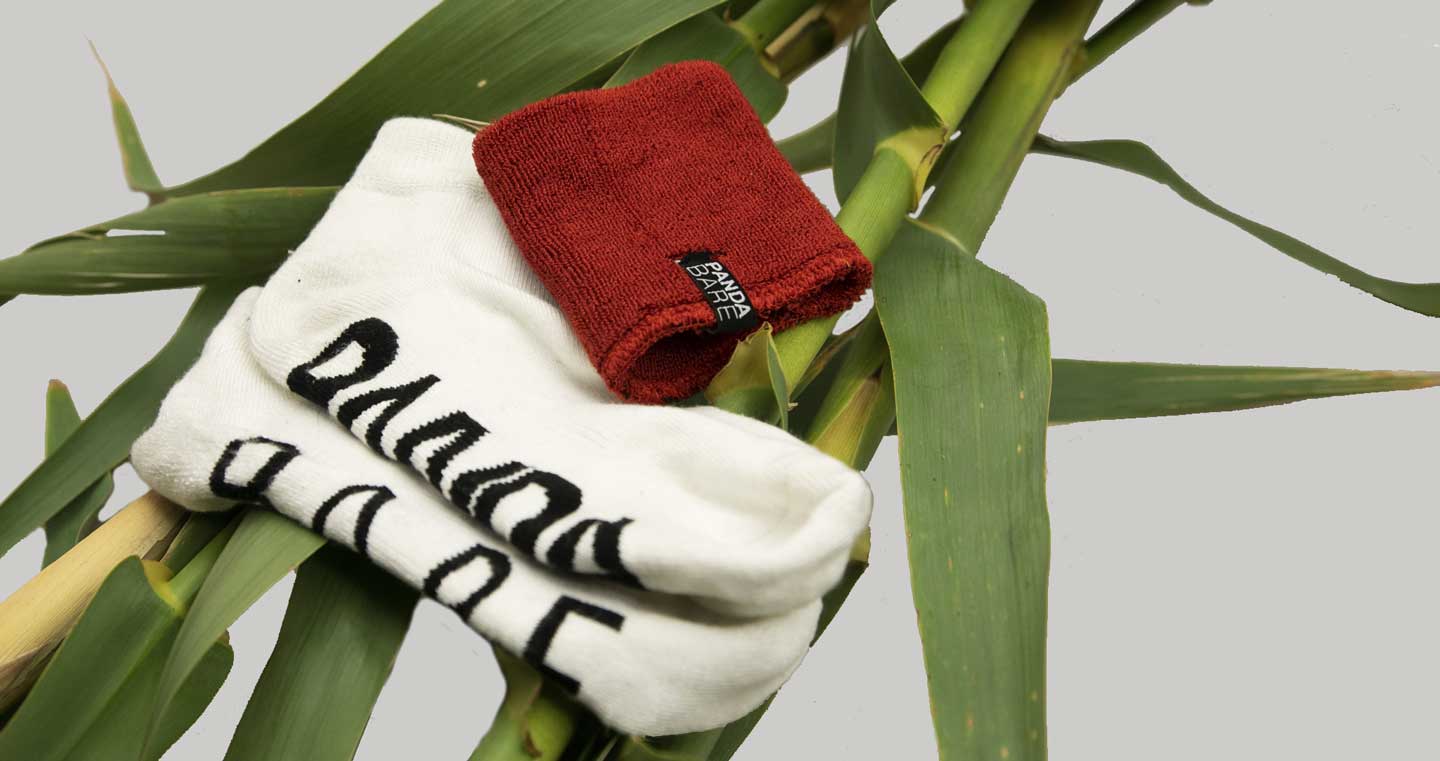
If you want a shortcut, PandaBare's Comfort Kit bundles the sleep-and-travel comfort layer, a sleep mask, socks and a compact pouch, into one grab-and-go pack, so you're not assembling this list from scratch every trip.
How should you pack a carry-on so it's actually comfortable to use mid-flight?
Pack in the order you'll need things, in reverse. What you want last goes in first.
- Anything you won't touch until landing (spare clothes, gifts, chargers you don't need mid-flight) goes at the bottom.
- A travel pouch with your in-flight comfort items sits near the top: sleep mask, socks, earplugs, lip balm.
- Documents and your phone charger stay in the outer pocket or your personal item, not buried in the main bag.
- Liquids bag goes somewhere you can pull out fast at security without unpacking everything else.
A dedicated travel pouch earns its space here. Loose items rattling around the bottom of a bag are the main reason people can't find their sleep mask forty minutes into a flight when the cabin lights go down.
For the flight itself, our guide on how to sleep on a plane in economy goes deeper on positioning, timing and what actually helps you nod off in a middle seat. And if you're building a fuller kit for a long-haul trip rather than a domestic hop, the long-haul flight comfort kit guide covers what changes once you're in the air for eight-plus hours.
What socks are worth packing for a flight?
Cabin temperature swings more than most people expect, often 10 or more degrees between boarding and cruising altitude. Feet swell on longer flights too, which is why compression-style or snug socks aren't always the most comfortable choice for a full day of travel.
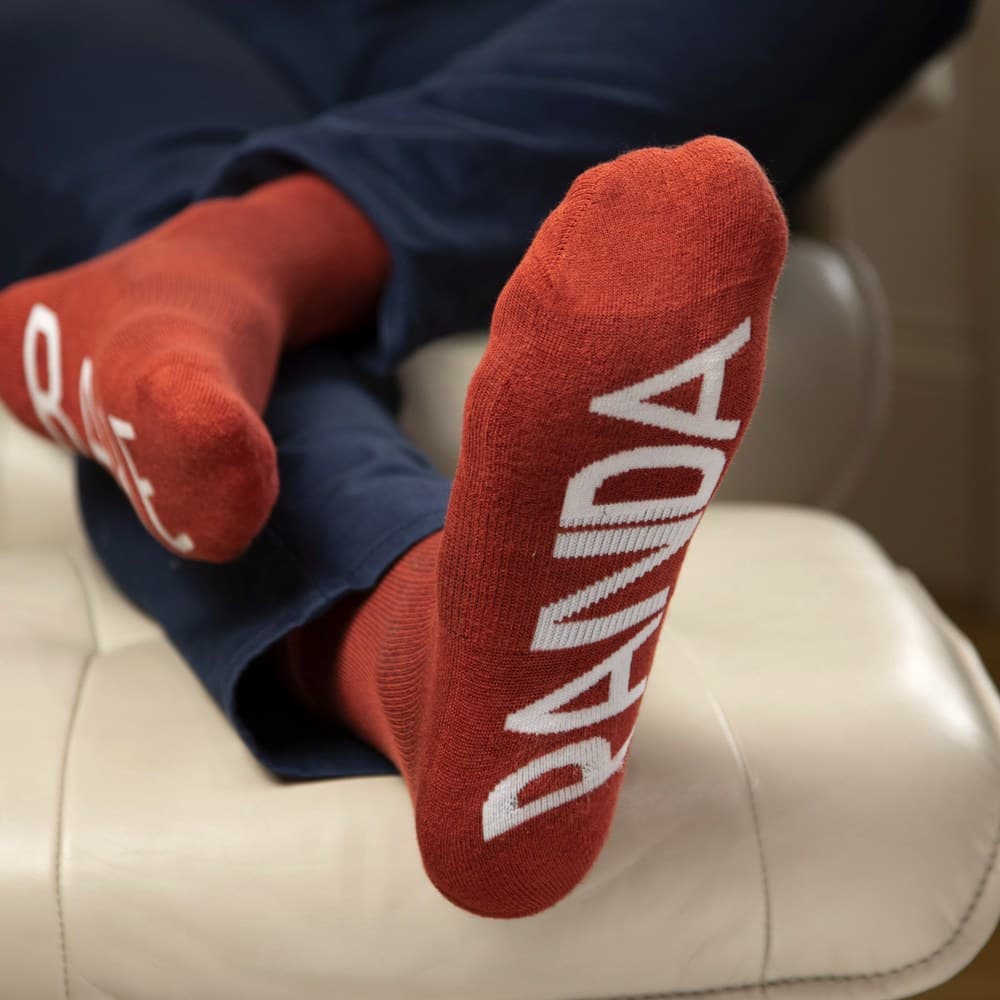
Bamboo crew socks give you a breathable layer that doesn't trap heat during boarding, then keeps feet warm once the aircraft cools down at altitude. They pack flat, take up almost no room in a pouch, and don't add noticeable weight against a strict 7kg allowance. See our full breakdown on the best socks for flying if you want the specifics on fabric and fit.
If you're short on carry-on weight, bamboo ankle socks or bamboo crew socks both weigh next to nothing, so there's rarely a reason to leave them behind.
Frequently asked questions
Does the 100ml liquids rule apply on domestic flights in Australia? It depends on the terminal, not the flight type. Departing from an international terminal means the 100ml limit applies even to a same-terminal domestic flight, while a purely domestic terminal has no liquid volume restriction, though aerosols still need a cap or locking device.
What size carry-on bag works for Qantas, Jetstar and Virgin Australia? A bag no larger than 56cm x 36cm x 23cm fits the main carry-on allowance on all three carriers. Weight limits differ by airline and fare, so confirm the exact figure with your airline before you fly.
Can I take a sleep mask and socks in my carry-on? Yes. Sleep masks, socks and fabric wristbands aren't liquids, aerosols or gels, so no screening restriction applies to them, and they can go in your main bag or personal item.
Do the new CT scanners at Australian airports mean I can pack more liquid? No. The newer 3D scanners at several airports mean you often don't need to remove laptops or liquids for screening, but the 100ml per container limit on international departures hasn't changed.
What should I pack in my personal item for a long flight? Keep it to what you'll want without opening the overhead locker: passport and boarding pass, phone charger, a sleep mask, socks for changeable cabin temperatures, and any medication you need on hand.
Always confirm current carry-on size, weight and liquids rules directly with your airline and departure airport before you travel, as these do change.