What to look for in a sleep mask: fit, fabric and blackout
What to look for in a sleep mask, from contoured fit to breathable fabric to real blackout. A practical checklist before you buy, plus what to skip.
A good sleep mask comes down to three things: a contoured or well-shaped fit that keeps pressure off your eyes, a breathable natural fabric that won't trap heat or irritate your skin, and genuine blackout from fabric layering and a snug seal, not just a dark colour. Get those three right and everything else is a bonus.
This is the last piece of the sleep puzzle we've covered in this series. If you've already sorted your socks for cold feet and your wind-down routine, a sleep mask is often the final gap: the thing between "trying to sleep" and "actually asleep," especially with Australia's long summer daylight hours or an early sunrise cutting your sleep-in short.
Below is what actually matters when you're choosing one, based on how eye masks are built and what tends to go wrong with cheap ones.
Does a contoured sleep mask work better than a flat one?
For most people, yes. A flat mask sits directly across your eyelids, pressing straight down on your eyes and lashes all night.
A contoured or moulded design creates a small cavity over each eye, so the fabric sits on your brow bone and cheekbones rather than the eyelid itself. That matters most if you sleep on your side, since the pillow adds extra inward pressure on top of the mask.
It also matters if you wear lash extensions or just have sensitive eyes, since constant contact and friction against the eyelid overnight can be uncomfortable and, with extensions, can crush or misdirect lashes. The trade-off is that contoured masks are slightly bulkier and don't fold as flat in a travel pouch, though a good one still packs down small enough for a carry-on.
Flat masks aren't bad. They're lighter, cheaper, and fine for a quick nap or a back sleeper who doesn't move much. But if you sleep on your side or want a mask you can wear for a full eight hours, contoured wins.
[GENERATION PROMPT (not yet generated): A close, tactile studio-style photo of a soft contoured sleep mask, eye cups gently domed, resting on rumpled warm off-white linen. Bamboo leaf or bamboo-fibre swing tag visible as a small accent detail only, not the focus. Natural window light from the side, soft shadows, no cartoon pandas, no glossy product-render look, calm and premium styling. Filename: sleep-mask-contour-detail.jpg]
What is the best fabric for a sleep mask?
Fabric decides two things: how your skin feels by 3am, and how much heat builds up around your eyes.
Synthetic satin sleep masks are common because they're cheap to produce and feel slippery-smooth in the shop. The trade-off is that synthetic fibres don't move moisture or heat away from skin as efficiently as natural fibres, so warmth and sweat can build up against your face overnight, particularly around the eyes and temples where skin is thin and blood vessels sit close to the surface.
Bamboo viscose is a natural fibre alternative worth looking for. Research on bamboo rayon fabrics has found it offers better breathability and moisture-wicking than polyester and some cotton blends, which is one reason it turns up in bedding and sleepwear marketed for hot sleepers (Cariloha, citing Textile Research Journal comparisons). Cotton is a solid, breathable option too, if a little less silky against the skin.
Memory foam inserts show up in some higher-end masks. They mould well to the face and help block light, but they trap more heat than a fabric-only design, so they suit cooler months better than a Queensland January.
What to avoid: masks that feel plasticky or stiff out of the packet, or ones with only a single thin fabric layer and no padding. Both are early signs of overnight discomfort.
How do you know a sleep mask actually blocks out light?
Blackout is a fit-and-construction question, not a colour question. A black mask with gaps at the nose bridge lets in just as much light as a pale one, maybe more if the seal is worse.
Two things drive real light-blocking:
- Fabric layering. Multiple layers, or a layer with some density to it (foam, padding, or a tightly woven natural fibre), block more light than a single thin sheet of fabric.
- Fit at the edges. Most light leak happens at the nose bridge and temples, not through the fabric itself. A mask that curves down to meet the bridge of your nose, rather than sitting flat and leaving a gap, stops that leak. Contoured masks tend to do this better because the shape is built around the face rather than draped over it.
This matters more in Australia than people expect. Summer daylight can stretch past 8pm in southern states, and anyone sleeping during the day, shift workers especially, is fighting a body clock that reads daylight as a signal to wake up. Melatonin, the hormone that helps you fall and stay asleep, is suppressed by light exposure and rises in darkness, which the Sleep Health Foundation describes as why it's sometimes called the hormone of darkness. A mask that actually blocks light is doing real work here, not just a comfort prop.
[GENERATION PROMPT (not yet generated, or use assets/lifestyle-coffee.jpg as a placeholder): A calm, softly lit morning scene on a linen-covered surface: a folded sleep mask sits beside a warm coffee cup, natural light through a window, muted off-white and warm neutral tones, no branding, no people's faces, quiet and unstyled feel. Filename: sleep-mask-lifestyle-coffee.jpg]
What else should you check before buying a sleep mask?
Fit, fabric and blackout are the big three, but a few smaller details separate a mask you actually reach for each night from one that ends up in a drawer.
| Feature | What to look for | Why it matters |
|---|---|---|
| Strap adjustability | Wide, non-slip strap with a proper buckle or velcro, not just thin elastic | Thin elastic tangles hair and loses tension after a few washes |
| Nose bridge fit | Curves inward to meet the bridge of the nose | Main source of light leak if it gaps |
| Fabric | Breathable natural fibre (bamboo, cotton) over synthetic satin | Reduces heat and sweat build-up around eyes overnight |
| Eye cup shape | Contoured for side sleepers or lash extension wearers | Keeps fabric off eyelids and lashes |
| Washability | Fully machine washable or hand washable without losing shape | You'll want to wash it weekly, same as a pillowcase |
| Weight and pack size | Light enough for travel, folds flat into a pouch | Matters if it's coming on a flight or a weekend away |
If a mask ticks most of these, it will likely outperform a flashier one that only nails blackout or only nails softness.
Do you need a sleep mask if you already sleep well?
Not necessarily, but it's one of the cheapest changes you can make if light is even a small part of your problem. If you've read our guide on whether sleep masks actually improve sleep, you'll know the effect is strongest for people dealing with a bright bedroom, shift work, or long daylight hours rather than for people with no light exposure issue at all.
It's also a natural pairing with the rest of a wind-down routine. If you're building one from scratch, our 15-minute wind-down routine guide has a simple sequence, and a mask slots into the last few minutes of it easily.
For Australian summer nights specifically, breathable fabric matters more than in winter, since you don't want another layer of heat near your face on a 28 degree night.
Sleep mask FAQs
Is a contoured sleep mask better than a flat one? For most sleepers, yes. Contoured eye cups keep fabric off your eyelids and lashes, which matters if you sleep on your side or wear lash extensions. Flat masks are lighter and pack smaller, but they press directly on your eyes overnight.
What is the best fabric for a sleep mask if you sweat at night? Breathable natural fibres like bamboo or cotton let air move around your eyes and temples, rather than trapping heat the way synthetic satin can. Look for a fabric that feels dry to the touch and washes easily, since you'll want to launder it often.
Does a dark-coloured sleep mask block more light than a light-coloured one? Not on its own. Blackout depends on fabric thickness and layering, plus a snug fit at the nose bridge and temples that stops light leaking in around the edges. A pale mask with a good seal will out-block a black mask with gaps.
How often should you wash a sleep mask? Aim for once a week if you wear it nightly, similar to a pillowcase. Oils, skincare and sweat build up against the fabric, so a mask that's genuinely machine washable makes this an easy habit rather than a chore.
Are sleep masks worth it for shift workers or Australian summer? Yes. Long summer daylight hours and daytime sleep after night shifts both mean fighting light your body reads as a signal to stay awake. A well-fitted mask blocks that light without needing blackout curtains or a darkened room.
Where this fits
We designed the PandaBare sleep mask around this exact checklist: a gently contoured fit, a breathable bamboo-blend fabric, and a snug adjustable strap that seals at the nose bridge without pulling on your hair. It's built for a full night, not just a nap.
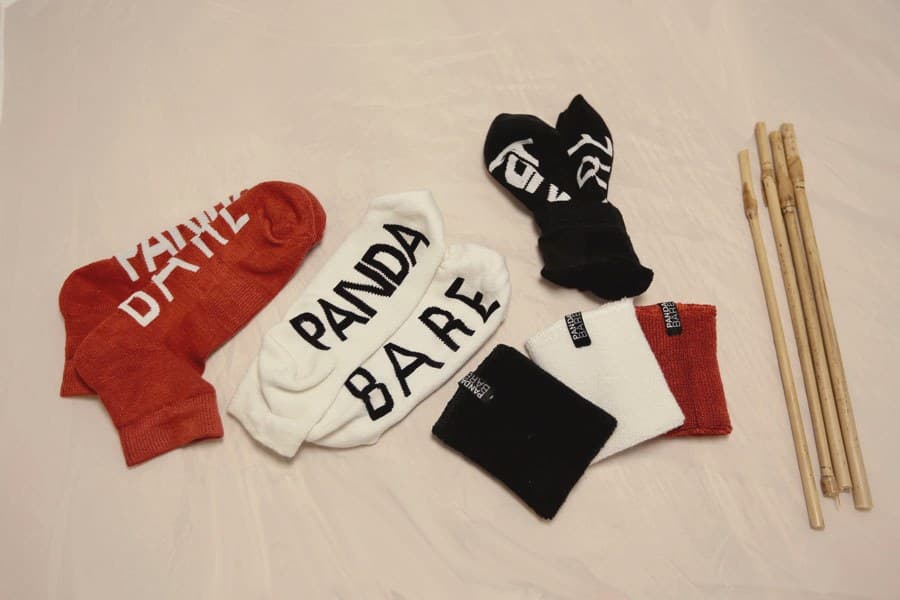
If you're setting up for better sleep or travel more broadly, it's also one of the pieces in the PandaBare Comfort Kit, alongside socks and a travel pouch. If you're often sleeping somewhere that isn't your own dark bedroom, whether that's a long-haul flight or a share house with a housemate's hallway light, our long-haul flight comfort kit guide covers the rest of what's worth packing.
That closes out this part of the series. Fit, fabric and blackout: get those three right, and the rest of a good night's sleep has a much better chance.