How to sleep better in an Australian summer
How to sleep better in Australian summer, backed by sleep science. Real tips for hot, un-airconditioned nights, ranked by effort and impact.
To sleep better in an Australian summer, keep your bedroom as close to 17 to 19 degrees Celsius as you can, the range the Sleep Health Foundation links to quality sleep, and focus on airflow, breathable fabrics and a cooler evening routine when air conditioning isn't an option. Small, consistent changes matter more than any single trick.
If you've spent a January night in Adelaide or Penrith lying spread-eagled on top of the sheet at 1am, you already know the problem. Australian summer runs December to February, and for a lot of us that means un-airconditioned bedrooms, humid coastal nights or dry inland heat that doesn't drop much after dark. The fix isn't complicated, but it does need to work with how your body actually cools down for sleep.
Why does summer heat wreck your sleep?
Falling asleep isn't just about feeling tired. Your core body temperature needs to drop for sleep to begin and to stay stable through the night.
Research summarised in Frontiers in Neuroscience describes how the circadian decline in core temperature triggers sleep onset, starting roughly two hours before your usual bedtime as blood vessels in your hands and feet widen to release heat. Your core temperature keeps dropping overnight, reaching its lowest point around 3 to 5am, according to the Sleep Health Foundation.
A hot bedroom fights this process directly. If the air around you won't let heat escape, your body struggles to cool down, sleep takes longer to arrive, and you wake more often through the night.
What is the ideal bedroom temperature for sleep in Australia?
The Sleep Health Foundation puts the ideal sleeping temperature at around 17 to 19 degrees Celsius. That's a big ask in an un-airconditioned home during a heatwave, and it's fine if you can't hit it exactly.
What matters more on a practical level is skin temperature. If the room itself can't get that cool, moving air across your skin helps your body cool down anyway, which is why a simple fan can make a real difference even when the thermostat hasn't moved.
How do you cool a bedroom without air conditioning?
Cross-ventilation is the cheapest and most effective option most Australians have. Open a low window on the cool or shaded side of the house and a higher window on the hot side, so air moves through rather than sitting still.
Close blinds or heavy curtains during the day to stop the room heating up in the first place. It's much easier to keep a room cool than to cool it down again after 35 degrees has baked into the walls all afternoon.
A few other things worth knowing, drawn from the Sleep Health Foundation's guidance:
- A cool shower before bed helps lower skin temperature going into sleep, and again if you wake up overnight and can't settle.
- Hanging a damp sheet in front of an open window cools the air as it enters the room.
- Keep a lightweight sheet or throw nearby, since your core temperature keeps dropping into the early hours and you may actually get cold before dawn.
What should you wear and sleep in during a heatwave?
Loose and breathable beats tight and technical. The Sleep Health Foundation specifically recommends cotton over synthetic fabrics for both pyjamas and sheets, since synthetics tend to trap heat and moisture against the skin rather than letting it move away.
This is the same logic behind breathable natural fibres more broadly. Bamboo fabric is prized for being lightweight and airy, letting air circulate rather than sealing heat in the way some synthetic blends do. If you want the detail on why bamboo behaves differently to other fabrics, our guide on why bamboo feels cooler or warmer breaks down the fibre structure.
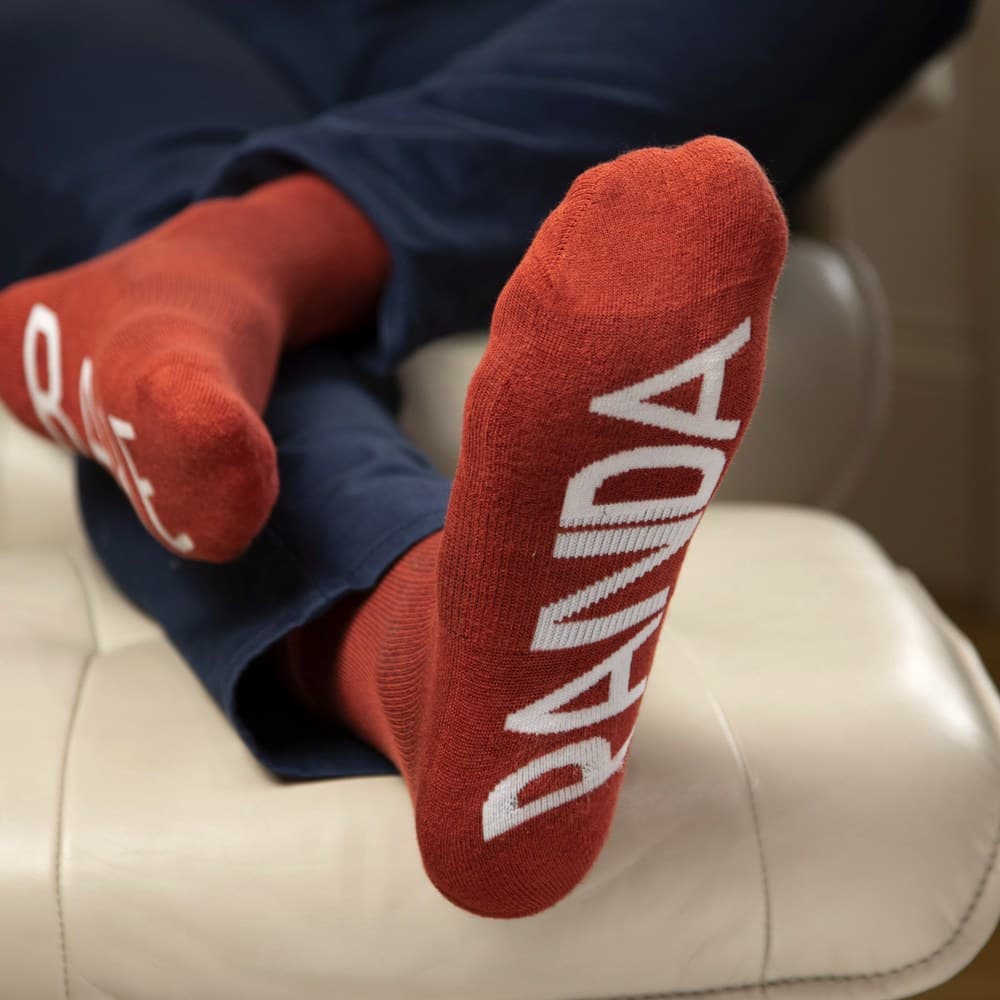
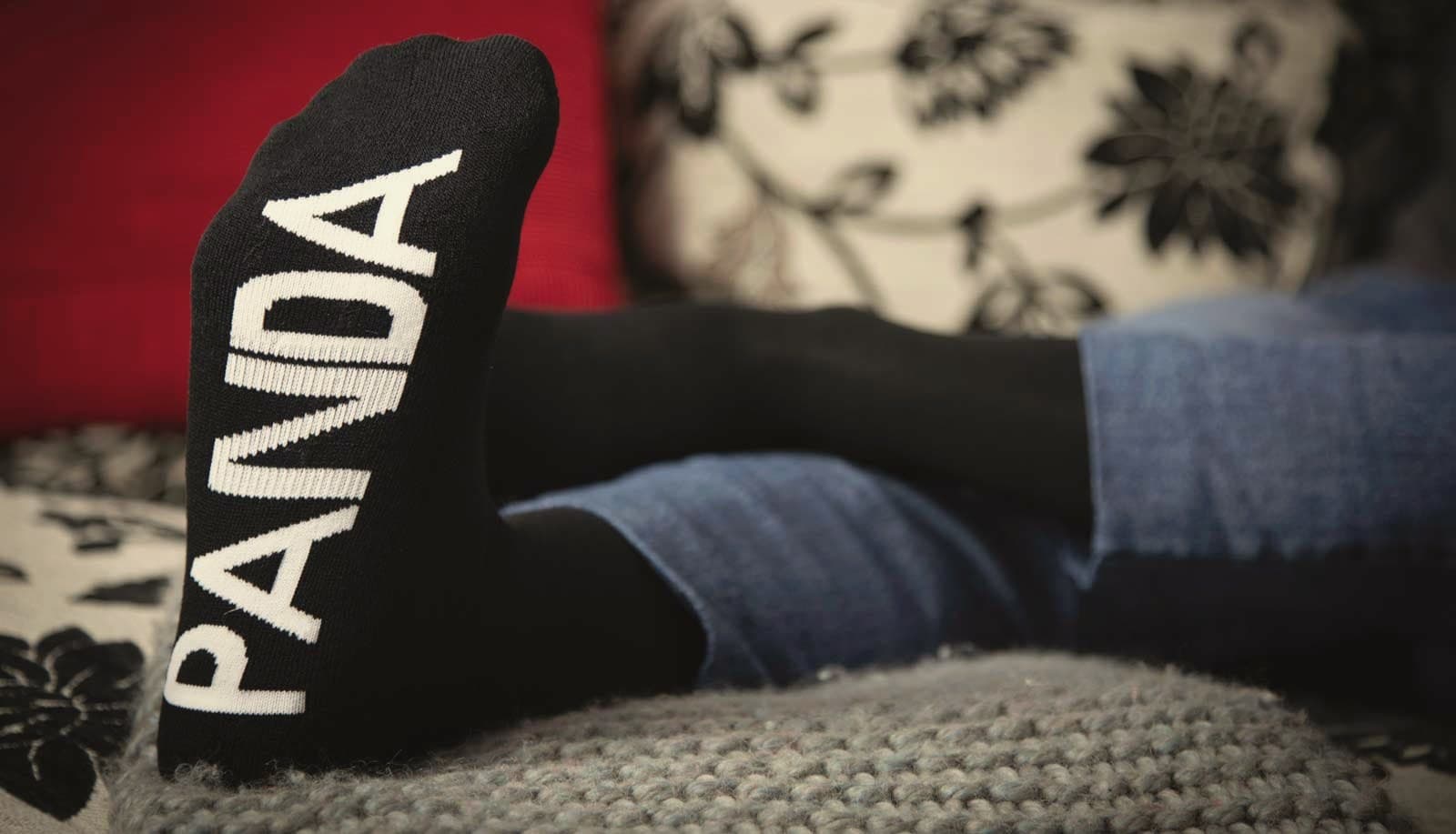
There's also a detail people forget: foot temperature matters for sleep, in both directions. The Sleep Health Foundation notes you can't fall asleep if your feet are too hot or too cold, and recommends being able to stick a foot out from under the sheet if you need to. A breathable pair of socks, or none at all, both work here depending on what your feet need on a given night. If cold feet are more your problem outside of summer, our guide on why your feet are cold in bed covers that side of things.
Ranked summer sleep tips: what's worth the effort
Not every tip delivers the same return. Here's how the main strategies stack up on impact versus effort, based on the sources above.
| Tip | Impact on sleep | Effort required |
|---|---|---|
| Cross-breeze (open windows on opposite sides) | High | Low |
| Fan pointed at the bed or across the room | High | Low |
| Cool shower before bed | High | Low |
| Close blinds/curtains during the day | Medium-high | Low |
| Breathable bedding and sleepwear (cotton, bamboo) | Medium-high | Low, one-off purchase |
| Sleep alone or spread out to avoid shared body heat | Medium | Low |
| Ice packs or a cold face-washer on wrists and neck | Medium | Low, but needs repeating |
| Avoiding heavy meals, caffeine and alcohol before bed | Medium | Medium (habit change) |
| Relocating to the coolest room in the house | Medium | Medium |
| Reverse-cycle air conditioning | High | High (cost) |
Start at the top of the table. Most of the highest-impact changes cost nothing and take five minutes to set up tonight.
How does an eye mask fit into a hot summer night?
Summer in Australia also means longer daylight hours pushing into your evening and early morning, which can make it harder to wind down and easier to wake early. A well-made sleep mask blocks that extra light without adding heat, provided it's made from a breathable fabric rather than a synthetic satin that sits stiff against your face.
We cover the fabric and fit details worth checking in what to look for in a sleep mask, and if you're wondering whether a mask is worth adding to your routine at all, do sleep masks actually improve sleep looks at the evidence.
If you're building a proper wind-down routine to pair with a cooler bedroom, our 15-minute wind-down routine is a simple place to start, especially useful when the heat makes it tempting to scroll on your phone instead of settling down.
A note on bamboo and hot nights
None of this is about buying your way into better sleep. Airflow, room temperature and timing matter more than any single product.
But if you're already choosing sleepwear, socks or a sleep mask, breathable natural fibres are the sensible choice for summer over anything synthetic that traps heat. That's the whole idea behind the PandaBare Comfort Kit: breathable bamboo essentials, including a sleep mask and socks, put together for exactly this kind of night. If you want to understand the fibre itself before you buy anything, are bamboo socks better than cotton is a good starting point.
FAQ
What is the ideal bedroom temperature for sleep in Australia? The Sleep Health Foundation says the ideal sleeping temperature is around 17 to 19 degrees Celsius. Most Australian bedrooms in summer sit well above that, especially without air conditioning, so the practical goal becomes managing airflow and skin temperature instead.
Why can't I sleep when it's hot, even if I'm tired? Your body needs its core temperature to drop to fall asleep and stay asleep. Heat interferes with that drop, which is why hot nights cause more tossing, lighter sleep and early waking even when you're exhausted.
Should I sleep with a fan on all night in summer? Yes, a fan is one of the most effective low-cost tools for summer sleep. Moving air across your skin helps sweat evaporate and cools you even when the room temperature itself hasn't changed.
Are bamboo socks and sleep masks actually cooler for summer? Breathable natural fibres like bamboo allow airflow and absorb moisture rather than trapping it against your skin the way many synthetics do. That makes items like socks and sleep masks more comfortable overnight, though they won't replace airflow and a cooler room as your main defence against heat.
Does what I wear to bed actually make a difference in a heatwave? It helps more than most people expect. Loose, breathable sleepwear and bedding let air move across your skin and manage moisture, which supports the cooling process your body is already trying to do on its own.