Why your feet are cold in bed (and how it wrecks your sleep)
Why your feet are cold in bed comes down to blood flow, not blankets. Here's the physiology, the fixes, and when to see a GP.

Cold feet in bed usually means blood isn't reaching your skin's surface, not that you need a heavier doona. Your body relies on warm blood flowing to your hands and feet to release heat and cool your core, a key trigger for falling asleep. When your feet stay constricted and cold, that process stalls, and so does your sleep onset.
If you've ever lain awake rubbing your feet together under the covers, wondering why an extra blanket didn't help, you're not imagining it. Cold feet at night isn't just discomfort. It can genuinely delay how fast you fall asleep, and most general advice about it skips the actual mechanism.
What's actually happening when your feet go cold at night
Every evening, your body prepares for sleep by widening the blood vessels in your hands and feet. This is called distal vasodilation, and it lets warm blood move close to the skin's surface so heat can radiate out.
Researchers Kräuchi and colleagues found that the degree of this warming in the hands and feet was the single best physiological predictor of how quickly people fell asleep, ahead of core temperature alone (American Journal of Physiology, Kräuchi et al.). Warmer feet and hands before bed correlate with faster sleep onset. Cold feet mean this process is being held back, not that it isn't happening.
Here's the part most sleep articles get backwards: this isn't your feet "losing" heat as a problem. It's the mechanism your body uses to lower core temperature. Cold feet that stay cold are a sign the mechanism is stuck, usually because peripheral blood vessels are constricted rather than dilated.
That constriction can come from a genuinely cold room, from sitting still all evening, or from how your individual circulation behaves. Whatever the cause, the result is the same: less blood at the surface, slower heat loss from your core, and a longer wait to fall asleep.

Why do my feet get cold at night specifically, more than during the day?
During the day, movement and gravity keep blood circulating actively through your legs and feet. At night, you're horizontal and still for hours.
Feet also have a high surface-area-to-volume ratio and comparatively little insulating fat or muscle, so they cool faster than your torso once blood flow slows. Add a cold bedroom, and the gap between your core and your feet widens further.
This is a bigger issue in Australia than people expect, especially outside the tropics. A WHO-referenced review found 81 per cent of Australian houses fail to meet the minimum recommended indoor temperature of 18 degrees Celsius in winter, and building standards assume many bedrooms sit around 15 degrees overnight (SBS News). Older homes across Victoria, Tasmania and southern New South Wales, often built with little to no wall or ceiling insulation, lose heat fast once the heater goes off.
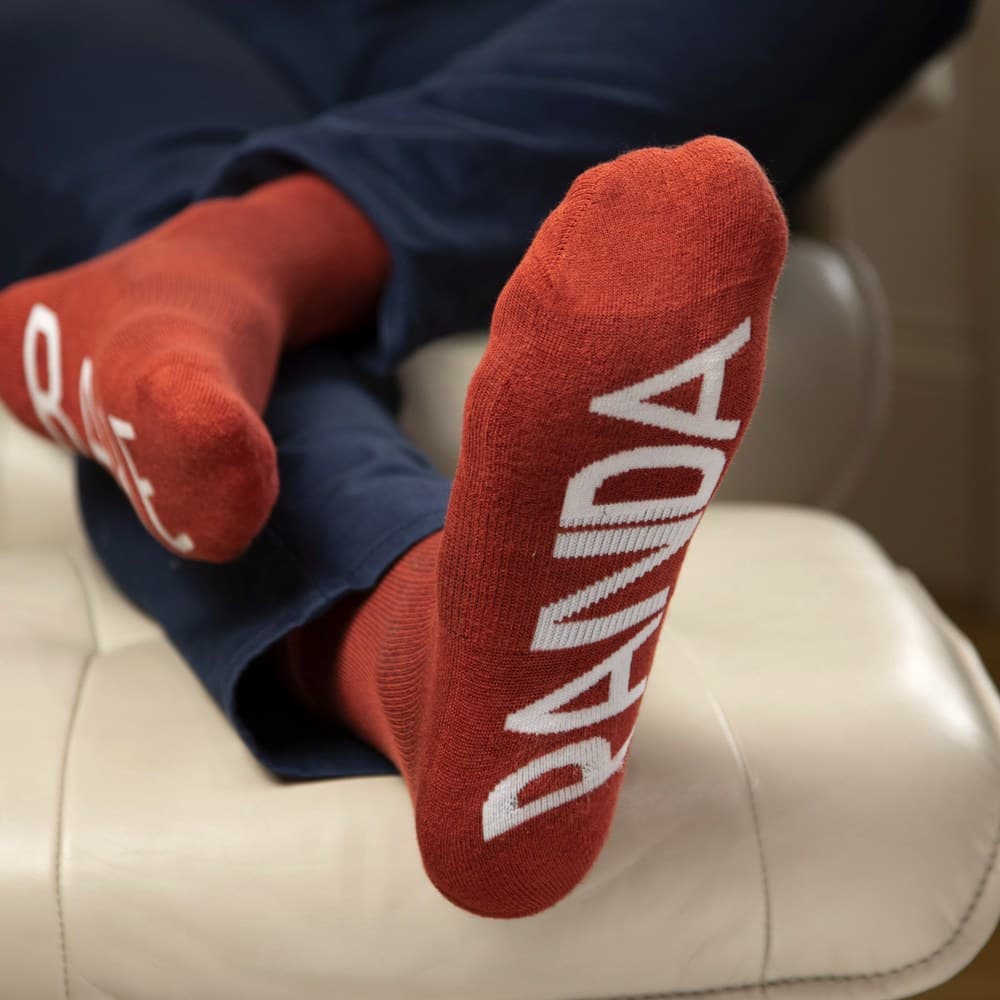
Does wearing socks to bed actually help you fall asleep faster?
Yes, and there's a specific study behind this, not just habit. Researchers measured sleep in a cool room with participants wearing bed socks against a no-socks control.
Feet warming with bed socks was associated with a shorter time to fall asleep, longer total sleep time, and fewer awakenings during the night compared with sleeping with bare, cooler feet (PMC, Feet warming using bed socks and sleep quality). The proposed mechanism lines up with the vasodilation research above: warmer feet support, rather than fight, the process your body already wants to run.
This is different from simply feeling "cosy". It's a measurable physiological nudge in the right direction, not a comfort add-on.

Causes of cold feet at night and what actually helps
| Cause | What's happening | What helps |
|---|---|---|
| Cold bedroom | Ambient temperature keeps skin and peripheral vessels cool, working against natural vasodilation | Aim closer to 18 degrees Celsius, warm the bed before you get in, or wear breathable socks so you don't need to overheat the whole room |
| Sitting still for hours | Reduced movement means less active circulation reaching the feet before bed | A short walk or stretch in the evening, gentle ankle circles in bed |
| Thin or inadequate bedding | Doesn't retain the warmth your body is trying to radiate outward | Layer with wool or bamboo blend bedding, tuck sheets to trap warmth around feet |
| Naturally cooler circulation | Some people's peripheral vessels constrict more readily, without any underlying condition | Bed socks or a wheat pack before sleep, keep feet consistently covered rather than exposed and reheated |
| Uninsulated older housing | Common in southern Australian states, heat escapes fast once heating is off | Draught-proofing, thermal curtains, rugs on hard floors, warm bedding layered over socks |
| Persistent circulation issues (eg. Raynaud's-type responses) | Blood vessels overreact to cold or stress and stay constricted rather than dilating | See your GP if cold feet are frequent, severe, or paired with colour change or numbness |
Could cold feet at night point to a circulation issue?
Occasional cold feet in a cold room is normal biology, not a red flag. Persistent cold feet, especially alongside numbness, tingling, or fingers and toes changing colour, is a different picture.
A study on people with vasospastic syndrome, a condition related to Raynaud's phenomenon, found significantly longer sleep-onset latency linked to an impaired ability to trigger normal evening vasodilation (PubMed, Kräuchi et al., cold feet and prolonged sleep-onset latency). In plain terms: if the feet can't dilate and warm up on cue, falling asleep takes longer.
This isn't something to self-diagnose from an article. If cold feet are a regular, disruptive pattern for you, particularly with other symptoms, it's worth raising with your GP rather than guessing.
What actually helps warm feet before sleep (beyond "wear socks")
- Warm your feet actively before bed. A warm foot soak or a few minutes with a wheat pack encourages the vasodilation your body is already trying to initiate.
- Choose breathable, temperature-regulating socks over heavy thermal ones. You want warmth without overheating and kicking them off at 2am. A breathable crew or ankle sock keeps feet consistently warm rather than swinging between hot and exposed.
- Fix the room, not just the feet. Draught-proofing and thermal curtains matter more in older Australian homes than another doona layer.
- Keep moving in the evening. Even light movement supports the circulation that gets blood to your feet before you lie down.
- Build it into a wind-down routine. Warming your feet works best as part of a consistent pre-sleep pattern rather than a one-off fix. Our 15-minute wind-down routine is a simple place to start.
If you're deciding between fabrics for this specific purpose, our guide on bamboo versus merino wool socks breaks down which retains warmth better without trapping moisture overnight. For a full rundown on sock choice, fit and fabric for this exact problem, see best bed socks for cold feet. If you manage diabetes and are weighing up sock choices for circulation and skin safety, our guide to bamboo socks for diabetics is worth reading before you buy.
A pair of breathable bamboo socks from the bamboo crew socks range, or the lighter bamboo ankle socks if you run warm overnight, is a low-effort way to support this without turning your bedroom into a sauna. If you want the whole sleep set sorted at once, socks, a sleep mask and the rest, the PandaBare Comfort Kit bundles it together.
FAQ
Why are my feet cold in bed even under blankets? Blankets trap air but don't force warm blood into your feet. If your peripheral vessels are constricted, from a cold room or naturally cooler circulation, your feet stay cold underneath the covers because there's no warm blood reaching the surface to hold onto.
Does wearing socks to bed actually help you fall asleep faster? Research on bed socks recorded shorter time to fall asleep, longer total sleep, and fewer night wakings compared with bare feet in a cool room. Warming your feet supports the natural vasodilation your body uses to cool its core before sleep.
Could cold feet at night be a sign of poor circulation? Occasional cold feet in a cold room is normal. Persistent cold feet, especially with colour changes, numbness or pain, can relate to circulation issues including Raynaud's phenomenon. See your GP if it's frequent or severe rather than self-diagnosing.
What's the ideal bedroom temperature for warm feet and good sleep? Sleep researchers generally point to around 18 degrees Celsius. Many Australian bedrooms sit well below this overnight, especially in older, poorly insulated homes in southern states, which makes warming your feet directly more useful, not less.
Why do my feet feel colder than the rest of my body specifically at night? At night your body relies on peripheral vasodilation to shed core heat and prepare for sleep. Feet have more surface area relative to their mass and less insulating tissue than your torso, so they read as cold faster when that blood flow is restricted.
GENERATION PROMPT (not yet generated): A softly lit bedroom scene at night, bare feet just visible under a linen duvet in warm off-white and taupe tones, a single knitted bamboo-blend sock resting nearby on the sheet as a small accent, natural low lamp light, calm and tactile styling, premium editorial feel, no people's faces shown, no cartoon pandas, no fake-looking product renders, no AI or tool branding visible anywhere in frame.