Best bed socks for cold feet at night
The best bed socks for cold feet are loose, breathable and warm, not thick. Here's what the sleep science says and what to buy in Australia.
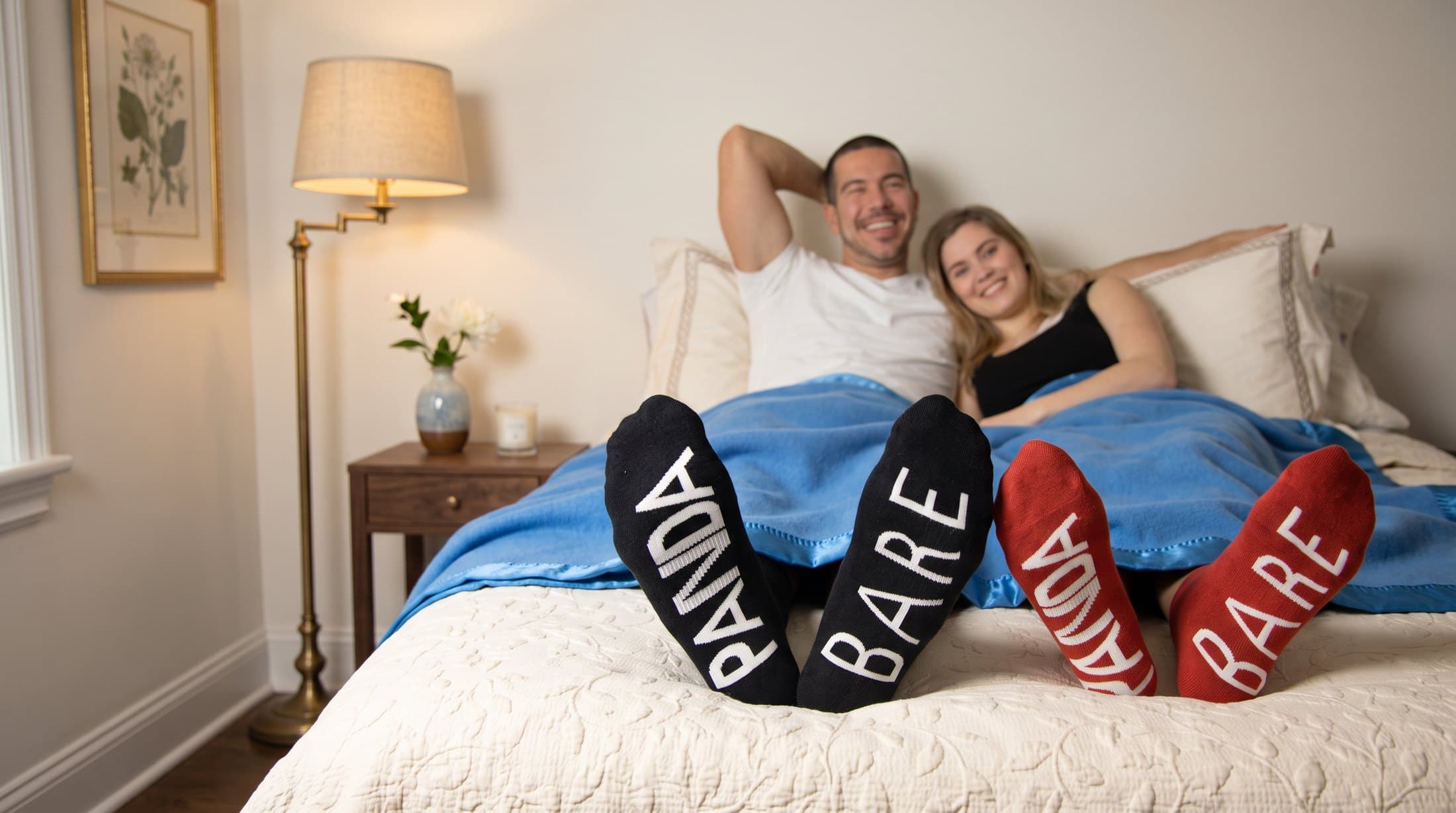

The best bed socks for cold feet are loose, breathable and lightly warm, not thick and tight. Look for a soft natural fibre like bamboo or merino wool, a relaxed cuff that will not dig in overnight, and enough warmth to bring your feet up to a comfortable temperature without trapping sweat under the doona.
If you have ever kicked your socks off at 2am because your feet got too hot, the sock itself was probably the problem, not the idea of wearing socks to bed.
Why do my feet get cold in bed in the first place?
Feet cool down faster than the rest of your body once you stop moving. They have a lot of skin surface but not much muscle mass to generate heat, and they sit furthest from your core.
In an Australian winter bedroom, this gets worse fast. Research from RMIT found that a large share of Australian homes are under-insulated and draughty, and the World Health Organization recommends a minimum indoor temperature of 18 degrees for general health, a benchmark most Australian homes do not meet overnight. The national home energy rating scheme, NatHERS, actually assumes bedrooms are heated to only 15 degrees between midnight and 7am, and in Tasmania, winter homes have averaged as low as 11 degrees. If you live in Victoria, Tasmania, South Australia or the ACT, your bedroom is probably colder overnight than you think, even with the heater on earlier in the evening.
Add an older weatherboard house, a doona that has lost its loft, or feet that already run cold due to circulation, and you have a fairly reliable recipe for lying awake with icy feet at 11pm.
Do bed socks actually help you fall asleep faster?
Yes, and there is genuine sleep science behind it, not just folk wisdom.
Warming your feet triggers a process called distal vasodilation, where blood vessels near the skin's surface widen. This releases heat from your core through your hands and feet, which helps lower your core body temperature, a key trigger for sleep onset. A landmark study published in Nature by Kräuchi and colleagues found that this heat-loss pattern in the hands and feet was the strongest predictor of how quickly a person fell asleep, ahead of core temperature, heart rate or even melatonin levels.
Later research backs up the practical version of this. Cleveland Clinic reports on a study where young men wearing socks to bed fell asleep around 7.5 minutes faster, slept about 32 minutes longer, and woke up less often overnight compared with those who went sockless.
The mechanism only works properly, though, if your feet actually warm up without overheating. That is the part most bed sock advice skips.
What should you actually look for in a bed sock?
This is where a lot of "cosy" bed socks get it wrong. Thick, tightly knitted acrylic socks feel warm the moment you put them on, but under a doona they trap both heat and moisture, which can leave your feet clammy by 3am rather than comfortably warm.
| Look for | Avoid |
|---|---|
| Loose, non-binding cuff (ankle or crew length) | Tight elastic tops that leave marks or restrict circulation |
| Breathable natural fibre (bamboo, merino wool) | Thick acrylic or synthetic blends that trap heat and sweat |
| Lightweight, single-layer knit | Bulky, doona-trapping thermal knits |
| Moisture-wicking fabric for overnight wear | Fabrics that stay damp once you start to warm up |
| A fit you can still wear under bedding without bunching | Novelty slipper-socks with rubber grip soles, fine for the couch, not for a doona |

If you run warm overnight even when your feet are cold (common, and confusing), a breathable fibre matters more than a thick one. You want your feet to reach that comfortable warm-enough temperature to trigger vasodilation, then stay there, not spike hot and force you to kick the socks off entirely at midnight.
Bamboo or wool: which is better for bed socks?
Both are solid choices and a clear step up from cotton or acrylic. The difference comes down to how you sleep.
Merino wool holds warmth well and manages moisture gradually, which suits people in genuinely cold, drier climates or older homes with no heating at all. Bamboo fibre is naturally breathable and wicks moisture quickly, so it suits people who sleep warm, or who live somewhere heated overnight but still get cold feet from poor circulation or a doona that lets a draught in.
For most Australian bedrooms, especially in a house with any heating running at all overnight, breathable bamboo bed socks hit the balance better: warm enough to help your feet reach that 32 to 35 degree comfort range sleep researchers associate with faster sleep onset, without the overheating that thick wool or acrylic can cause once you are properly rugged up in bed. We've gone deeper on the fibre comparison in our guide to bamboo vs merino wool socks.

Should bed socks be loose or tight?
Loose, always. A snug crew or ankle sock with a soft, relaxed cuff is what you want, not a compression-style fit.
Tight elastic at the ankle can restrict the very circulation you are trying to improve. If a sock leaves a deep red line around your ankle after a few hours, it is working against the vasodilation effect, not for it. Our guide on crew vs ankle socks covers the fit trade-offs if you are deciding which length suits your bed setup, doona weight and how much ankle you like covered.
Is it healthy to sleep in socks every night?
For most people, yes. There is no established downside to wearing clean, breathable, loose-fitting socks to bed on a regular basis.
The exceptions are minor: skip socks if you have an active foot infection that needs air, and avoid compression socks overnight unless a health professional has specifically told you to wear them for a medical reason. Beyond that, it is a low-effort habit with a reasonable evidence base behind it.
If cold feet are a year-round issue rather than just a winter one, it is worth reading our piece on why your feet are cold in bed, which goes into circulation, room temperature and bedding separately.
A simple bedtime routine for cold feet
- Put on loose, breathable bed socks around 30 to 60 minutes before you actually want to fall asleep, giving your feet time to warm up before lights out.
- Keep the room itself cool. The vasodilation effect works because your feet are warm and your core is cooling, so an overheated bedroom can undo the benefit.
- Skip anything with tight elastic or rubber grips at the cuff.
- If you already run warm overnight, choose a breathable fibre over a thick one rather than skipping socks altogether.
- Pair bed socks with a consistent wind-down routine. Our 15-minute wind-down routine is a good place to start if cold feet are only part of what is keeping you up.
Summer sleep in Australia comes with its own version of this problem, mostly the opposite one. If overheating rather than cold feet is your main issue for half the year, our guide to sleeping better in an Australian summer covers that side of it.
A well-made pair of bamboo bed socks does not need to be complicated. It just needs to be warm enough, loose enough, and breathable enough to let your body do what it already knows how to do at bedtime. If you want a set-and-forget option, PandaBare's bamboo crew socks are built with exactly this brief in mind: soft, breathable, loose-cuffed, and comfortable enough to wear all night without a second thought.
FAQ
Is it healthy to sleep in socks? Yes, for most people. Loose, clean, breathable socks help warm your feet without restricting circulation. The main things to avoid are tight elastic cuffs, socks worn for multiple nights without a wash, and fabrics that trap moisture against the skin.
Why are my feet always cold in bed? Feet have a high surface area relative to muscle mass and rely on circulation to stay warm, so they cool faster than your torso once you stop moving. Cold bedrooms, thin blankets and poor circulation all make this worse, especially in uninsulated Australian homes over winter.
Do bed socks actually help you fall asleep faster? There is real evidence for this. Warming your feet encourages your blood vessels to widen, a process called distal vasodilation, which helps your body release heat and signals that it is time to sleep. Research published in Nature found this was the strongest predictor of how quickly people fell asleep.
What is the best fabric for bed socks? Look for a fibre that is warm without being bulky, and breathable enough to avoid trapping sweat overnight. Bamboo and merino wool both perform well. Thick acrylic socks tend to feel warm at first but can trap heat and moisture once you are under a doona.
Should bed socks be tight or loose? Loose. A snug ankle sock with a soft, non-binding cuff is ideal. Tight elastic can restrict circulation overnight, which works against the warming effect you are trying to get from wearing socks in the first place.