Bamboo socks for diabetics: what matters and what to ask your GP
What makes bamboo socks for diabetics worth considering, the features that matter most, and the questions to bring to your GP or podiatrist.

If you're living with diabetes, the best socks are non-binding at the top, seamless at the toe, moisture-managing, and free of rough seams or thick ridges. Light colours help you spot cuts or discharge early. Bamboo can suit these needs well, but no sock replaces a podiatrist's advice. This is general information, not personal medical advice.
Diabetes affects an estimated 1.3 million Australians, or about 1 in 15 people, according to the Australian Institute of Health and Welfare. For a lot of that group, foot care becomes part of daily life, not just an occasional thought.
Socks are a small, easy thing to get right. This guide walks through what actually matters, in plain language, and where to go for advice that's personal to you.
A note before we go further: nothing here is medical advice. It's general information about sock features. Please talk to your GP, endocrinologist or podiatrist about what's right for your feet.
Why does sock choice matter more for diabetic feet?
Diabetes can affect nerve function and circulation in the feet over time. Diabetes Australia notes that people with diabetes face a higher risk of wounds, infections and slower healing, due to changes in nerve, cardiovascular, skin and immune system function.
That's why small mechanical details in a sock, like a seam or a tight cuff, matter more than they would for most people. A pressure point you'd normally feel and adjust for might go unnoticed if sensation is reduced. Over time, an unnoticed pressure point can become a blister, and a blister can become something more serious.
None of this means every diabetic foot is fragile. It means it's worth paying attention to the details, and getting your feet checked regularly by a professional who knows your history.
What sock features actually matter for diabetic feet?
Here's a practical breakdown of the features clinicians and Diabetes Australia commonly point to, and why each one matters.
| Feature | What it means | Why it matters |
|---|---|---|
| Non-binding top | Loose ribbing instead of tight elastic, so the cuff doesn't dig in | Diabetes Australia lists non-tight stay-ups and non-elastic tops as ways to address circulation issues linked to diabetes |
| Seamless toe closure | A smooth, flat join at the toe instead of a raised ridge | Reduces friction and pressure points that can lead to blisters in feet with reduced sensation |
| Moisture-wicking fabric | Fibres that draw sweat away from the skin | Keeps the environment between the toes drier, which matters for fungal and bacterial risk |
| Cushioned heel and toe | Extra padding at high-friction zones | Reduces pressure and friction-related irritation during walking |
| Light or white colouring | Pale colour inside and out | Makes it easier to spot blood, discharge or unusual staining early, before a small issue grows |
| Smooth interior, no rough threads | No loose stitching or coarse texture against the skin | Lowers the chance of ongoing micro-irritation you might not feel straight away |
| Breathable natural fibre | Cotton, wool or bamboo rather than fully synthetic blends | Diabetes Australia names these as suitable, breathable, comfortable choices |
Bamboo viscose socks can tick several of these boxes at once: they're naturally soft against the skin, they manage moisture reasonably well, and a well-made pair will have a flat, seamless toe. If you want the deeper fibre comparison, our guide on bamboo versus merino wool socks covers how the two natural fibres stack up for everyday comfort.
For context on our own range, our bamboo crew socks and bamboo ankle socks are made with non-binding, no-tight-elastic tops and a flat seamless toe closure as standard design choices, not as a medical claim. They're comfort essentials, not a diabetic medical device, and they're not a substitute for footwear or hosiery specifically prescribed by your podiatrist.
Assets/ankle-huggers.png: bamboo ankle socks with a non-binding, loose-fitting top and no tight elastic band. Place this image beside the features table so readers can see what a non-binding cuff actually looks like.
Are bamboo socks better than cotton for diabetic feet?
Both are natural fibres that Diabetes Australia considers suitable starting points. Bamboo viscose tends to feel softer against sensitive skin and manages moisture slightly differently to cotton, which can matter if sweaty feet are a factor for you.
Neither fibre is automatically "better" in a clinical sense. What matters more is the construction, meaning the seams, the cuff, and the fit. A poorly made bamboo sock with a tight elastic top isn't an upgrade on a well-made cotton sock with a loose cuff.
If sweat and dampness are your main concern rather than diabetes specifically, our guide to the best socks for sweaty feet goes into fabric choice in more depth. And if you're comparing fibres more generally, are bamboo socks better than cotton covers the wider picture.
How should diabetic feet be checked and cared for day to day?
A simple daily routine, done consistently, tends to matter more than any single product. Common general guidance includes:
- Check both feet daily for cuts, blisters, redness, swelling or colour change, ideally at the same time each day.
- Wash feet daily and dry carefully, especially between the toes.
- Moisturise the skin but avoid applying cream between the toes, where excess moisture can encourage fungal growth.
- Trim toenails carefully, straight across, or have a podiatrist do it if reaching or cutting safely is difficult.
- Change socks daily, and choose a fresh, dry pair if feet have been sweaty.
- Avoid walking barefoot, even at home, to reduce the risk of an unnoticed injury.
These are general habits, not a personalised plan. Diabetes Australia runs a FootSMART program through the NDSS that's worth asking your healthcare team about if you want structured education on this.
Washing your socks properly also plays a small supporting role, since built-up residue or reduced elasticity in old socks can affect fit over time. Our guide on how to wash bamboo socks covers the basics of keeping them in good shape.
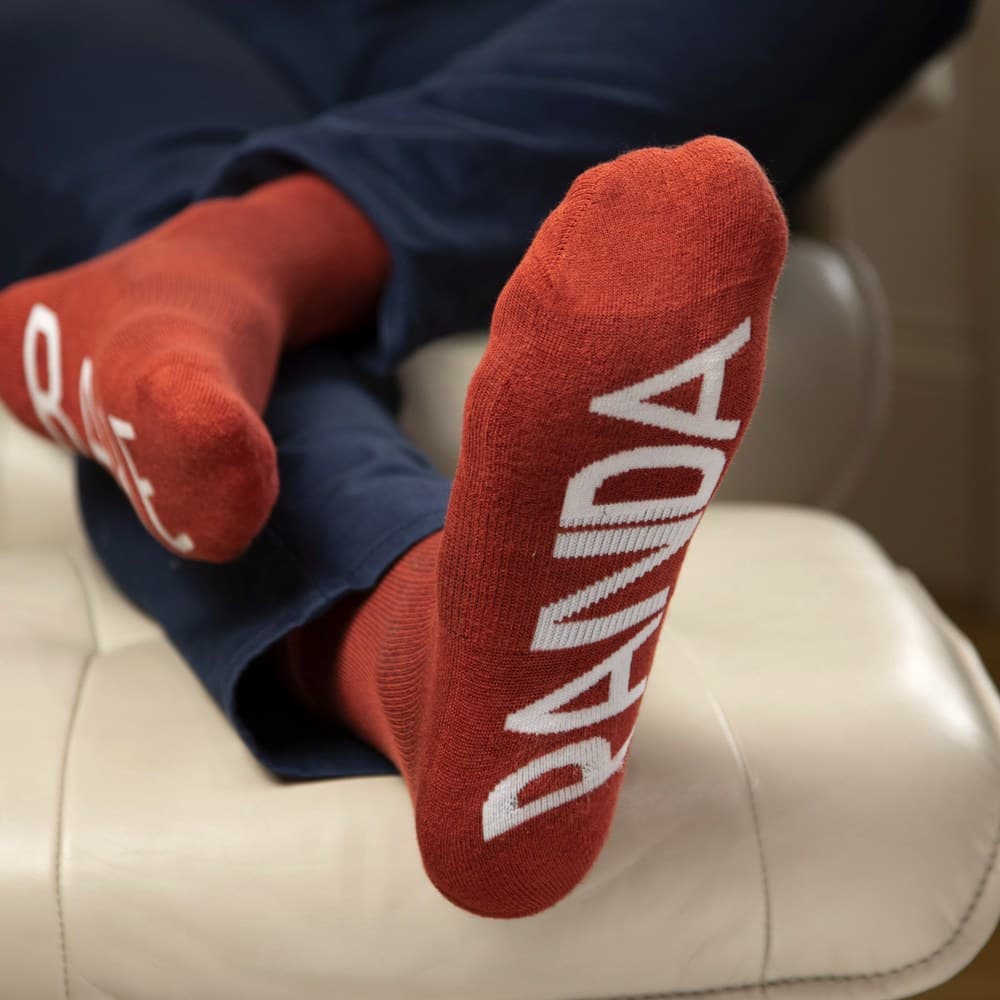
Assets/lifestyle-coffee.jpg: relaxed morning scene with soft bamboo socks, a calm reminder that comfortable feet start with the right daily habits. Place this before the FAQ section, as a gentle visual pause rather than a product close-up.
What should you ask your GP or podiatrist about diabetic foot care?
A GP or podiatrist can assess things a sock label never will, like your circulation, your nerve sensitivity, and your personal risk level. Useful questions to bring to an appointment include:
- Based on my test results, how much sensation do I currently have in my feet?
- Should I be seeing a podiatrist regularly, and how often?
- Am I eligible for a Chronic Condition Management Plan that includes Medicare-subsidised podiatry visits?
- Are there specific sock or footwear features you'd recommend for my situation?
- What early warning signs should prompt me to book an appointment rather than wait?
Under a GP Chronic Condition Management Plan, eligible patients can access a set number of Medicare-subsidised allied health visits per calendar year, which can include podiatry, according to Services Australia. Ask your GP whether you qualify, since eligibility and rebates can change.
Buying bamboo socks with diabetic-friendly features: what to check before you buy
When you're comparing socks online or in store, a few quick checks can save you a return:
- Look at the cuff. Stretch it gently. It should give without a sharp elastic snap-back.
- Check the toe seam. Turn the sock inside out and run a finger over the toe closure. It should feel flat, not ridged.
- Read the fibre content. Bamboo viscose, cotton and wool are all reasonable starting points per Diabetes Australia's guidance.
- Consider colour. A pale sole or lighter colourway makes it easier to spot a stain from a cut or discharge before it's obvious on darker fabric.
- Buy a small batch first. Fit and feel can vary between brands, so it's worth trialling one pair before committing to a larger set.
If you're weighing up crew length against ankle height for everyday wear, our crew versus ankle socks guide covers the practical differences. And if you're building out a full sock drawer rather than buying one pair at a time, our bamboo socks Australia buyers guide rounds up the wider decision points.
FAQ
Are bamboo socks actually good for diabetics? Bamboo can be a comfortable, breathable choice, and Diabetes Australia lists it alongside cotton and wool as a suitable natural fibre. What matters more than the fibre alone is the construction, meaning a non-binding top, a seamless toe closure and moisture management. This is general information, not personal medical advice, so check with your GP or podiatrist for guidance specific to your feet.
What socks should diabetics avoid? Generally avoid socks with tight elastic cuffs that leave a mark on your skin, thick seams across the toes, and fabrics that trap moisture. These features can restrict circulation, create pressure points or encourage fungal growth. A podiatrist can tell you if any of this applies more specifically to your circumstances.
Do diabetic socks need to be a special medical product? Not necessarily. Diabetes Australia notes that everyday socks in natural fibres can suit many people's needs, and the label "diabetic sock" really describes helpful features rather than a regulated medical category. If you have neuropathy, poor circulation or a history of foot ulcers, ask your podiatrist whether you need a specific medical-grade product.
How often should a diabetic check their feet? Daily checks are commonly recommended, looking for cuts, blisters, colour changes or swelling, ideally at the same time each day such as after a shower. This is general guidance only. Your GP or podiatrist can set a check routine and escalation plan suited to your own risk level.
Can Medicare help pay for podiatry if I have diabetes? If your GP sets up a Chronic Condition Management Plan, you may be eligible for Medicare-subsidised podiatry visits as part of coordinated diabetes care. Ask your GP whether you qualify and how referrals work, since eligibility and rebate amounts can change.
This article provides general information about sock features and foot care habits. It is not medical advice and does not replace an assessment by your GP, endocrinologist or podiatrist. If you notice a wound, infection, numbness, colour change or any concerning symptom in your feet, seek professional medical advice promptly.
Looking for a soft, everyday pair to start with. Our bamboo crew socks are built with a non-binding top and seamless toe as standard, part of PandaBare's wider approach to soft essentials for slower living.