Bamboo socks for sensitive skin and eczema: what to know
Bamboo socks for sensitive skin and eczema explained: what actually helps, what to check on the label, and when to see a dermatologist.
Bamboo socks will not treat or cure eczema. What they can offer is a smoother, rounder fibre with no rough seam catching on your toes, which reduces the mechanical friction that makes already-irritated skin feel worse. Look for OEKO-TEX certification, a flat toe seam and a loose cuff, and talk to your GP or dermatologist about managing flare-ups.
Eczema is common in Australia. Lifetime prevalence has been estimated at 41.6 percent from birth to age 44, and around 600,000 Australians live with moderate to severe disease (Eczema Support Australia, 2023). If your feet are part of that picture, sock choice is a small, practical thing you can control.
Why fabric matters for eczema-prone feet
Textile contact dermatitis is well documented. According to DermNet NZ, a respected Australasian dermatology resource, allergic reactions to clothing usually come from chemical additives, not the fibre itself: formaldehyde-based resins used for wrinkle resistance, certain azo and disperse dyes, and residues from processing.
Irritation from the fibre alone is different, and more mechanical. Rough or coarse fibres can rub against skin with every step. For people with eczema or generally sensitive skin, that repeated friction can aggravate an area that is already inflamed.
Feet sit inside a sock all day, often in a shoe, often sweating. That is a lot of sustained contact for one piece of fabric.
Why bamboo fibre feels different on sensitive skin
Under a microscope, bamboo viscose fibres have a round, smooth cross-section, unlike cotton's irregular, twisted structure. Textile researchers have described bamboo viscose filaments as largely spherical and smooth, which lets them pack together closely and reduces surface roughness against skin (comparative fabric studies cited via ResearchGate).
Wool tells a similar story from the other direction. Research summarised by Woolmark shows that itch and prickle sensations start when fibres exceed roughly 30 to 32 microns in diameter: they are too rigid to bend on contact with skin, so they push into it instead. Superfine merino, at 17.5 microns or under, bends easily and has performed well in some eczema trials. Standard, coarser wool sits above that comfort threshold and can feel scratchy for sensitive skin.
Bamboo's smooth, fine, rounded fibre sits in a comparable comfort zone to superfine wool, without the wool origin some people also want to avoid. That is a structural, mechanical explanation, not a therapeutic one. It does not mean bamboo treats eczema. It means the fabric is less likely to add friction on top of skin that is already reactive.

What to look for on the label
Fabric type is only one part of the picture. Construction and finishing matter just as much, sometimes more.
| Feature | Why it matters for sensitive skin |
|---|---|
| OEKO-TEX Standard 100 certification | Independent lab testing against over 1,000 substances including formaldehyde resins, azo dyes and heavy metals (OEKO-TEX) |
| Flat or seamless toe closure | Removes the raised ridge that rubs against toes with every step |
| Soft, non-binding cuff | A tight elastic band can dig into skin and restrict circulation over a full day |
| Light or undyed colours | Fewer dyes generally means less chance of dye residue transferring to skin |
| Natural, breathable fibre (bamboo, cotton, superfine merino) | Reduces the heat and sweat build-up that makes itching worse |
| "Non-iron" or heavy wrinkle-resistant finishes | Often signals added formaldehyde-based resin treatment, worth avoiding if you are reactive |
Common irritants worth avoiding altogether: coarse synthetic fibres like standard polyester or acrylic that trap heat, tight ribbed cuffs, bulky toe seams, dark or saturated dyes on fabric that touches skin all day, and any sock advertising heavy chemical finishing.

Can bamboo socks help with eczema on the feet?
They may help some people feel more comfortable day to day, but they are not a medical treatment. The mechanism is friction reduction, not anti-inflammatory or antimicrobial treatment of eczema itself.
If your eczema is active, spreading, weeping or not responding to your usual care, that is a conversation for your GP or dermatologist, not a sock choice. Clothing is one small lever among many, alongside moisturising routine, trigger avoidance and any prescribed treatment.
Bamboo vs cotton vs wool for sensitive feet
Cotton has long been the most recommended fabric for eczema by clothing guidance groups, mainly because it is simple, breathable and widely available in undyed forms. Bamboo viscose is considered similarly eczema-friendly, with the added benefit of a smoother fibre surface and better moisture absorption. Wool is more polarising: coarse wool can be genuinely uncomfortable for reactive skin, while superfine merino performs closer to bamboo in comfort terms.
For a deeper comparison of how bamboo and cotton perform across breathability, durability and cost, see our guide on whether bamboo socks are better than cotton. If wool is on your shortlist too, our bamboo vs merino wool socks guide breaks down the fibre-diameter comfort question in more detail.
How to care for sensitive-skin socks so they stay gentle
Washing matters as much as the fabric itself. Fabric softener and strong detergent residue can sit in fibres and become their own irritant, undoing any benefit from a smooth fabric.
A simple routine: wash in cool to warm water, skip fabric softener, and avoid high heat drying that can stiffen fibres over time. Our full how to wash bamboo socks guide covers detergent choice and drying in more detail.
If you are managing a skin-related condition alongside foot comfort more broadly, our guide to bamboo socks for diabetics covers related considerations like seam pressure and moisture control for sensitive or at-risk feet.
PandaBare's approach
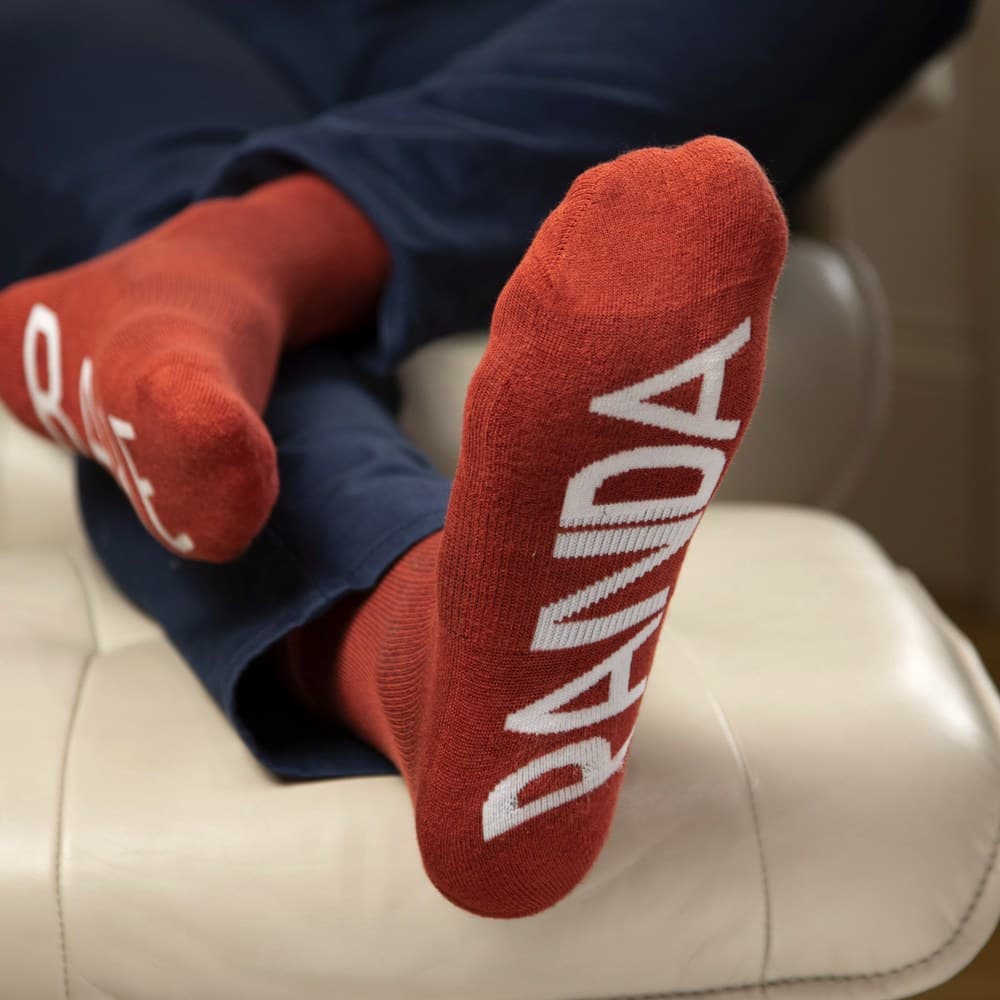
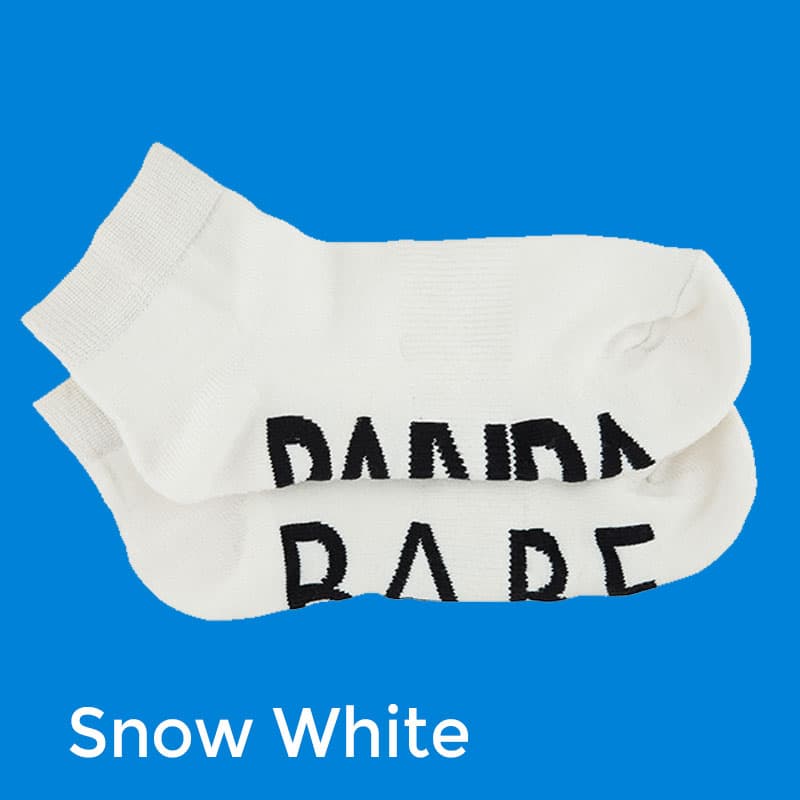
PandaBare's bamboo crew socks and bamboo ankle socks are made from bamboo viscose with a flat toe seam and a soft, non-binding cuff. We keep dye choices simple and avoid heavy wrinkle-resistant finishing. None of this is marketed as a treatment for eczema. It is a fabric and construction choice aimed at reducing everyday friction, which is the honest, limited claim the evidence supports.
FAQ
Can bamboo socks help with eczema on the feet? Bamboo socks cannot treat or cure eczema. Their smooth, rounded fibre and lack of rough seams may reduce mechanical friction against sensitive skin compared with coarse synthetics, which some people find more comfortable. Always speak to your GP or dermatologist about managing eczema.
Are bamboo socks better than cotton for sensitive skin? Both are considered eczema-friendly by clothing guidance groups. Bamboo viscose fibres are smooth and rounded and tend to feel softer, while cotton is a well-established, simpler option. The better choice often comes down to individual comfort, moisture levels and construction details like seams.
What does OEKO-TEX certification mean for bamboo socks? OEKO-TEX Standard 100 means an independent lab has tested the finished sock, including dyes and trims, against more than a thousand potentially harmful substances. It does not mean a product treats any skin condition. It is a chemical safety and quality signal, not a medical claim.
Should people with eczema avoid wool socks? Not all wool. Research shows fibres above roughly 30 microns in diameter cause the mechanical prickle that irritates skin, while superfine merino under about 17.5 microns has performed well in some eczema trials. Standard, coarser wool blends are more likely to bother sensitive skin than superfine merino or bamboo.
Do seams matter more than fabric for sensitive feet? Often, yes. A flat or seamless toe closure removes a common pressure point that rubs with every step, regardless of fabric. Pairing a smooth fibre with a low-friction toe seam and a non-binding cuff addresses more of the friction triggers than fabric choice alone.