Work socks that don't feel like work: comfort for people on their feet all day
The best work socks for all-day comfort balance cushioning with breathability. Here's what helps nurses, retail and hospitality staff, and tradies.
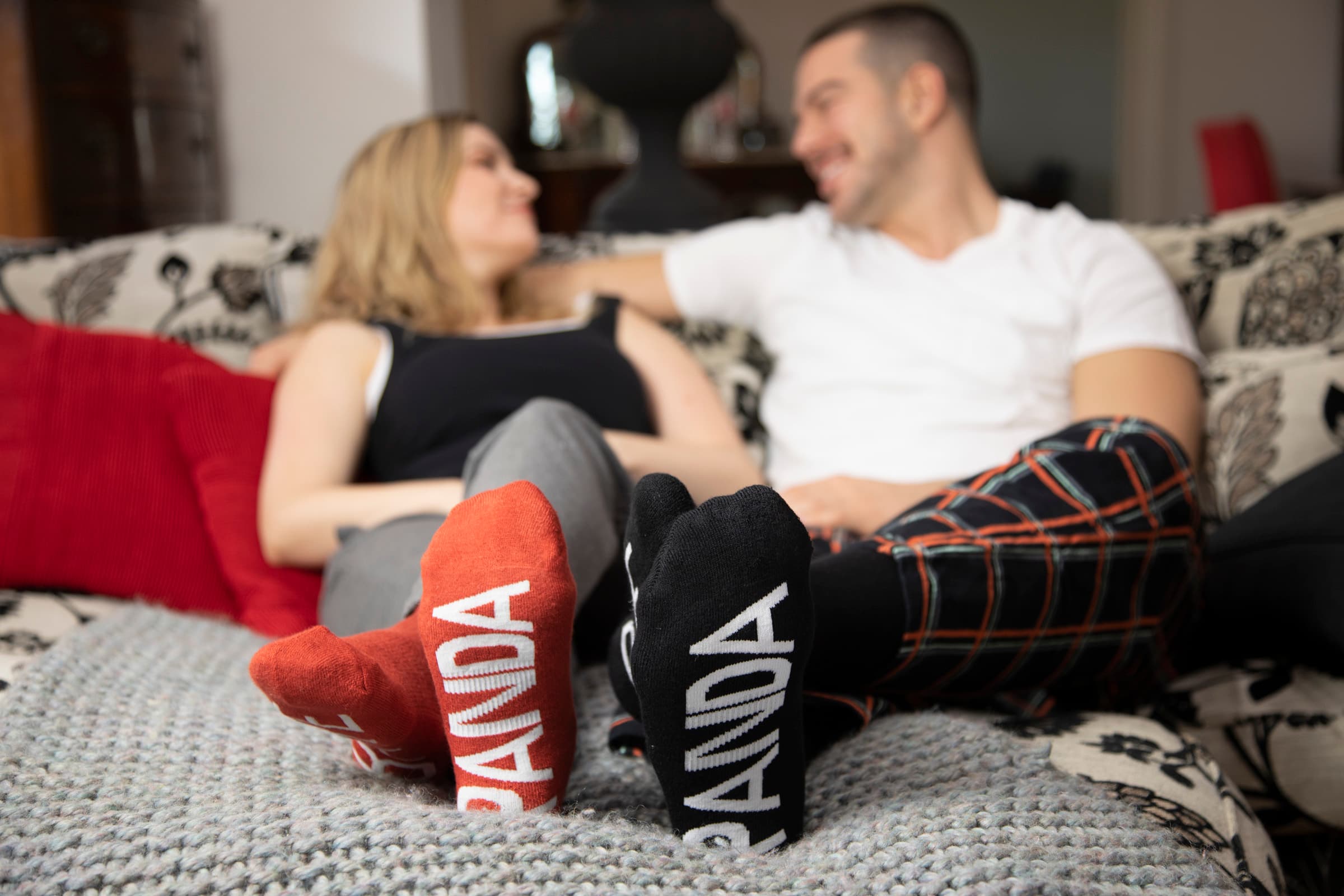
The best work socks for all-day comfort are breathable, snug through the heel, and lightly cushioned rather than heavily padded. Bamboo viscose works well because it wicks moisture while staying thin enough not to bunch inside shoes or boots. Most foot fatigue and blisters on long shifts come down to friction and dampness building up over hours, not a lack of thickness.
If you've done a 12-hour hospital shift, a Saturday on a shop floor, or a double at a cafe, you already know the feeling by 3pm. Feet feel swollen, hot, and somehow both tired and tight. The sock on your foot is one of the few things you can actually control in that equation, and it's worth getting right.
What actually causes foot fatigue when you're on your feet all day?
Two separate things are happening at once, and they need different fixes.
The first is circulatory. Standing still or walking for long stretches lets blood pool in the lower legs, since gravity works against return circulation and the calf muscle "pump" that normally helps push blood back up gets less of a workout (Banner Health). Over years, this contributes to swelling, aching, and increased risk of varicose veins, particularly in jobs with long standing hours like nursing, retail, and hospitality.
The second is mechanical: friction. Blisters form when repetitive shear force distorts the skin layers against each other until a small tear opens up inside the epidermis, a mechanism researchers call "epidermal fatigue" (PMC, Friction Blisters of the Feet: A New Paradigm). Moisture, heat, and heavy load-bearing all increase that shear force, which is why blisters show up more on long shifts than short ones (PMC, Friction Blisters of the Feet: A Critical Assessment).
Sock choice directly affects the second problem, and indirectly helps the first by keeping feet cooler and drier, which reduces swelling-related discomfort even without medical-grade compression.

Cushioning or breathability: which matters more for work socks?
This is the trade-off most work sock marketing skips over. Extra cushioning feels reassuring in the shop, but a thick pad in a poorly breathable fibre traps heat and sweat against the skin, which increases the moisture side of the friction equation.
A thinner, breathable knit in a fibre like bamboo viscose moves moisture away from skin more effectively, which keeps the friction environment drier for longer, even with less visible padding. Some cushioning at the ball and heel still helps absorb repeated impact on hard floors, so the ideal work sock isn't the thinnest or the thickest, it's the one that balances both.
This is genuinely different fibre by fibre. Cotton absorbs sweat but holds onto it, staying damp long after it's absorbed moisture, which is the opposite of what a 10-hour shift needs. We've covered this comparison in detail in are bamboo socks better than cotton.
What do different on-your-feet jobs actually need from a sock?
Not every job on your feet has the same demands. Here's how the priorities shift by role.
| Job type | Typical shift pattern | Main foot stress | What to prioritise in a sock |
|---|---|---|---|
| Nursing and healthcare | 8 to 12 hour shifts, hard hospital flooring, fast walking | Circulation, swelling, long hours in enclosed shoes | Breathability first, snug non-slip fit, consider graduated compression separately for swelling |
| Retail | 6 to 10 hour shifts, mostly standing, some walking | Static standing fatigue, hard concrete or tiled floors | Light cushioning at heel and ball, breathable fibre to avoid clammy feet by afternoon |
| Hospitality and kitchens | Split shifts, fast-paced walking, heat from kitchen environments | Heat, sweat, quick direction changes | High breathability and moisture-wicking, quick-drying fibre for humid environments |
| Teaching | Full school day, standing and walking between rooms, less sitting than expected | Cumulative fatigue over a term, not just a day | Comfortable everyday cushioning, durability across a five-day week |
| Trades | Long days in work boots, uneven ground, physical loads | Heat and moisture inside boots, blister risk from boot friction | Reinforced heel and toe, moisture-wicking fibre, snug fit to reduce boot slip |
Most Australian work sock brands lean hard into the trades and safety-boot end of this list. Fewer speak directly to the nursing, retail, hospitality, and teaching end, where the footwear is softer but the hours are just as long and the floors are just as hard.
Do compression socks work better than regular comfort socks?
For circulation specifically, yes, graduated compression socks have real evidence behind them. A clinical review noted that graduated compression measurably increases deep venous blood flow velocity, and compression in the 15 to 20 mmHg range is commonly recommended for people on long standing shifts without a prescription being required (CMAJ review, cited via PRO Compression).
That's a genuinely different product to what PandaBare makes. Bamboo crew socks are not compression garments and don't claim to be. What they do well is the everyday comfort layer underneath: breathability, softness against skin, and a snug non-slip fit that stops socks bunching inside shoes over a long day. If swelling or aching legs are a regular problem on shift, that's worth a conversation with a GP or pharmacist about compression wear specifically, alongside good everyday socks for the rest of the week.
Crew or ankle: which length suits work shifts better?
It depends on the shoe. Crew length sits above the ankle bone and gives a bit more coverage against boot or shoe collars rubbing, which suits closed work shoes and boots worn for full shifts.
Ankle length suits softer shoes like retail or hospitality flats, or warmer months where less coverage means more airflow. We've laid out the full comparison, including when each length actually matters for fit and comfort, in crew vs ankle socks.

How many pairs do you actually need for a working week?
A single pair worn shift after shift never gets the chance to fully dry out, which pushes it back toward that damp, friction-prone state that causes blisters and odour. Rotating pairs, so each sock has a full day off between wears, matters more than most people think.
For a five-shift week, most people are comfortable with 7 to 10 pairs, allowing for a spare on longer or hotter shifts. If you want the fuller breakdown by lifestyle and laundry habits, see how many pairs of socks do you need.
A quick checklist before your next shift
- Choose a breathable fibre over a thick one. Dampness is a bigger blister risk than a lack of padding.
- Check the heel fit is snug. A loose heel is where most shift-day blisters start.
- Match sock length to your actual shoe or boot, not just habit.
- Rotate at least 7 to 10 pairs across a working week so each sock fully dries between wears.
- If your legs ache or swell by the end of most shifts, ask a pharmacist about graduated compression socks specifically, separate from your everyday comfort socks.
Comfort on shift isn't about one dramatic upgrade. It's the accumulation of small, sensible choices, and socks are one of the easiest to get right. PandaBare's bamboo crew socks are built for exactly this kind of long, ordinary day: soft, breathable, and made to be worn on repeat without fuss.
FAQ
What are the best socks for standing all day? Look for a breathable fibre like bamboo, a snug non-slip heel, and light to moderate cushioning at the sole rather than maximum padding. Breathability matters as much as cushioning, since damp feet blister and fatigue faster than dry ones, even in a well-padded sock.
Do compression socks help nurses more than regular socks? Graduated compression socks (typically 15 to 20 mmHg) are designed specifically to support circulation during long standing shifts and are worth discussing with a GP or pharmacist if you get swelling or aching legs. PandaBare's bamboo crew socks are not compression garments, they are a comfort and breathability sock for everyday shifts where circulation support isn't the main issue.
Why do my feet hurt more at the end of a retail or hospitality shift than at the start? Standing still or walking on hard floors for hours causes blood to pool in the lower legs and repetitive shear forces to build up in the skin, both of which increase as a shift goes on. Fresh, dry, well-fitted socks reduce the friction side of that equation, though shoe support and floor surface matter too.
How many pairs of work socks do I need for a week of shifts? Most people doing five on-your-feet shifts a week are comfortable with 7 to 10 pairs, enough for a fresh pair every shift plus a midday change if you sweat heavily or work doubles. This also means socks spend less time in the wash and last longer overall.
Are bamboo socks warm enough for winter shifts and cool enough for summer ones? Bamboo viscose has a breathable, temperature-regulating knit that performs well across an Australian winter to summer range indoors, which suits people working the same shift pattern year-round in hospitals, shops or kitchens. For genuinely icy outdoor trade work, an insulating layer on top still matters more than sock choice alone.