Gifts for people who have everything: useful beats novel
Gifts for people who have everything, without another novelty gadget. Useful, daily comfort essentials an Australian shopper can trust to land well.
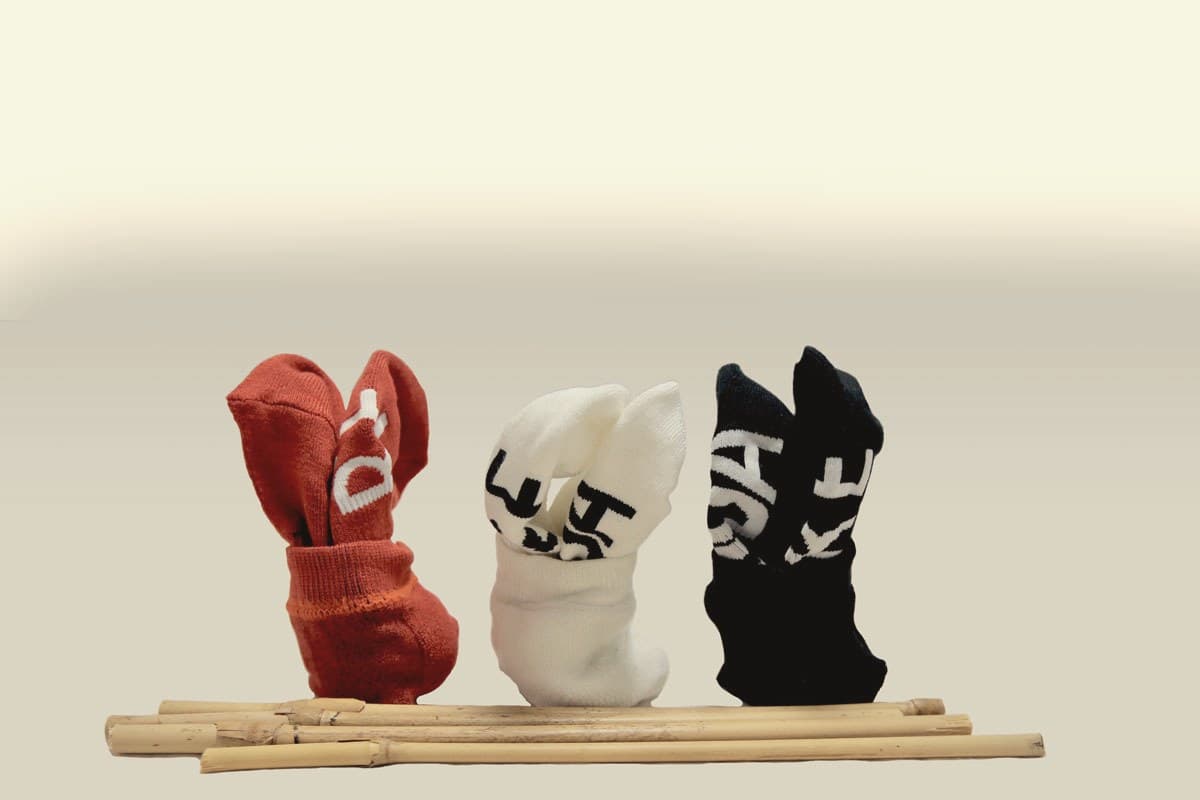

The best gift for someone who has everything is something ordinary they will actually use: soft socks, a proper sleep mask, a travel pouch that keeps small things in order. Skip the novelty gadget. Choose comfort essentials that earn a place in their daily routine, not their junk drawer.
If you have ever stood in a shop wondering what to buy the person who seems to own it all, you already know the trap. You reach for something quirky because it feels like a safer bet than "boring". But quirky rarely gets used twice. Useful does.
Why do useful gifts beat novelty gifts?
Novelty gifts are chosen to impress at the moment of unwrapping. Useful gifts are chosen to serve someone afterwards, which is when it actually counts.
Research published in Psychological Science found that gift givers focus heavily on the "big reveal", the surprise and delight in the moment of opening, more than recipients actually value that moment (Association for Psychological Science, Carnegie Mellon University). The researchers called this the "smile-seeking hypothesis": we shop for the reaction, not the aftermath. That is exactly how a desk full of novelty gadgets happens.
Separate research on gift practicality found something worth remembering too: people reported feeling closer to a giver who chose a practical gift over a flashier one (Ness Labs, summarising gift-giving psychology research). Practical does not mean unromantic. It means considered.
There is also a well-documented case for experiences over objects. Consumer psychologist Amit Kumar's research shows people tend to derive more enduring happiness from experiences than from possessions, partly because we adapt to objects quickly but hold onto the memory of an experience for longer (University of Delaware, UDaily). It is a fair point, and it is why a weekend away or a class often beats a gadget.
But there is a middle category that gets overlooked: daily-use comfort items. They are not a one-off experience, and they are not a shelf object either. A gift that gets touched every morning and every night, like socks that go on before the school run or a sleep mask that comes out every flight, keeps delivering small, repeatable value. That repetition is what novelty gifts and even some experience gifts cannot offer.

What kind of gift works for someone who has everything?
Look for three things: it solves a small daily discomfort, it is genuinely better than what they already own, and it does not need to be displayed to be appreciated.
Cold feet in bed, a sleep mask that slips off, socks that bunch at the toe, a carry-on that is all zips and no order: these are the tiny frictions most people have stopped noticing because they have lived with them for years. A gift that quietly fixes one of these lands better than anything flashy, because it shows you paid attention to their actual life, not just their wish list.
This is also why a curated set often outperforms a single item. The PandaBare Comfort Kit bundles bamboo socks, a sleep mask and a travel pouch, so the gift does more than one job: better sleep at home, better comfort on a flight, one bag that keeps it all together. It reads as considered, not padded.
Gift ideas by recipient type
Different people who "have everything" need different things. Here is how to match the gift to the person, not just the occasion.
| Recipient | What they usually lack | PandaBare gift idea | AUD price range |
|---|---|---|---|
| The frequent flyer | A tidy, comfortable carry-on routine | Travel pouch plus sleep mask, or the full Comfort Kit | $35 to $89 |
| The minimalist who owns "just enough" | Better versions of things they already use daily | Bamboo crew socks 3-pack, understated and not branded loudly | $29 to $45 |
| The parent with no time to shop for themselves | Small comforts nobody buys them anymore | Ankle socks plus sleep mask gift set | $39 to $69 |
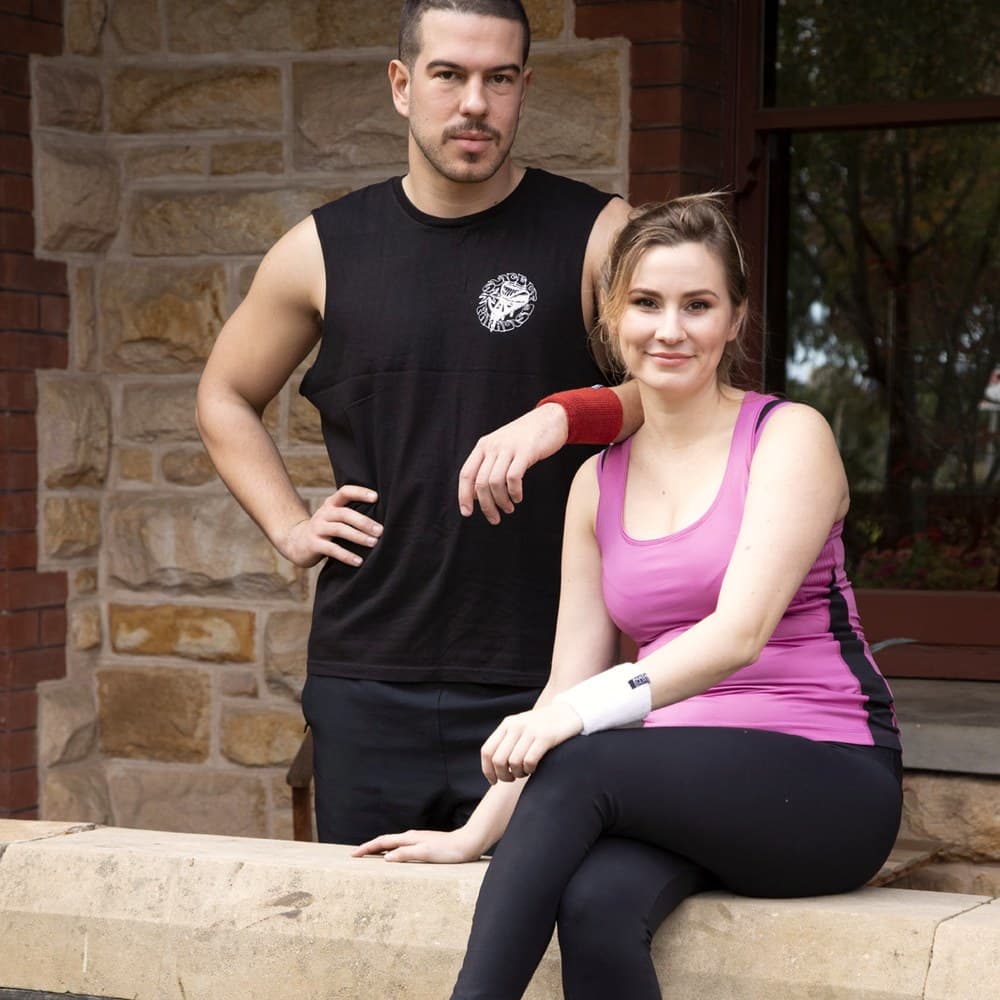
| The gym or run enthusiast | Sweat-wicking basics that do not smell by lunchtime | Sport wristbands paired with crew socks | $25 to $49 |
| The colleague or client you cannot get too personal with | Something professional, not gimmicky | Corporate gifting sets or a branded gift pack | $30 to $120 per person |
| The "impossible" relative | Genuine comfort upgrades disguised as a treat | Full Comfort Kit or a curated gift pack | $59 to $99 |
Are experience gifts always better than material gifts?
Not always. Experiences win on novelty and memory, but they are also over in a weekend and cannot be handed to someone interstate in time for their birthday.
A well-chosen comfort item splits the difference. It is tangible enough to unwrap and feel immediately, but it keeps being useful long after the wrapping paper is in the recycling. For gifting occasions with a deadline, like a birthday, a farewell, or Christmas in Australia, that reliability matters. You are not booking around someone's calendar or hoping a voucher gets redeemed before it expires.
If you do want to combine the two, pair a small comfort gift with a plan to use it: a sleep mask with a note about an actual flight booked together, or socks with a standing coffee date. The object becomes the trigger for the experience, not a replacement for it.
What should I avoid when buying for someone who has everything?
Skip anything that only works as a display piece, anything single-use, and anything that duplicates what they already own well.
A few patterns worth avoiding:
- The gadget nobody asked for. If it needs a charger, an app, or a shelf to look "worth it", it is a novelty gift wearing a useful gift's clothes.
- Generic hampers. Jam, socks nobody chose, a candle. These read as last-minute even when they were not.
- Anything that assumes a taste you are not sure of. Art, strong scents, and loud branding are personal. Comfort essentials in neutral tones are safer and still feel considered.
- Duplicating what they already do well. If they already own excellent socks, a second ordinary pair is a waste. A genuinely better fabric, like bamboo against a cotton drawer full of the same old pairs, is a real upgrade rather than a duplicate. If you are choosing socks as a gift, our guide on bamboo socks versus cotton is worth a skim before you buy.
How much should you spend?
There is no universal rule, but for comfort-led gifts in Australia, most thoughtful options sit between $25 and $120. If you want a fuller breakdown by budget, see our guide to thoughtful gifts under $50. For workplace and client gifting specifically, corporate gifts clients actually keep covers the etiquette as well as the budget.
For long-distance gifting, most Australian orders placed with standard shipping arrive within 3 to 7 business days metro, a little longer regional, so build in a buffer if the gift needs to land by a specific date like a birthday or a flight departure. If the recipient travels often, our long-haul flight comfort kit guide has more on what actually gets used in transit versus what stays zipped in the bag.
FAQ
What is the best gift for someone who has everything? Something they will use every day but would not buy for themselves: quality bamboo socks, a proper sleep mask, or a small curated set like a comfort kit. Daily-use comfort items tend to outlast novelty gadgets because they get picked up again and again, not just unwrapped once.
Are experience gifts better than material gifts? Research on gift-giving shows experiences often create more lasting satisfaction and stronger social connection than material goods, largely because we adapt to objects but keep the memory of an experience. That said, a comfort item used daily, not displayed once, can close much of that gap because it keeps delivering small moments of use rather than sitting on a shelf.
Why do novelty gifts often disappoint? Novelty gifts are chosen to impress in the moment of unwrapping, not to serve the recipient afterwards. Research published in Psychological Science found gift givers focus on this "big reveal" more than recipients do, which is why quirky gadgets often end up in a drawer within weeks.
What should I avoid gifting someone who has everything? Avoid single-use novelty items, anything that needs a spot on a shelf to be appreciated, and gifts that only look good unwrapped. Also be wary of duplicating what they already own well, unless your version solves a genuine daily gap, like colder feet in bed or a scratchy old sleep mask.
How much should I spend on a gift for someone hard to buy for? There is no fixed rule, but thoughtful comfort gifts in Australia typically land between $25 and $120 depending on whether it is a single item or a curated set. Spending more on a novelty item rarely beats spending less on something used daily.
Looking for a ready-made option? The PandaBare Comfort Kit and our gift packs are built around this exact idea: comfort essentials that get used daily, not displayed once.