Corporate gifts clients keep: a practical guide for Australian businesses
A practical guide to corporate gifts clients keep in Australia: what to buy by budget and EOFY timing. Give something that gets used, not binned.
The corporate gifts clients keep are the ones that solve a small, real problem: warm feet, better sleep, an easier flight. In Australia, that means comfort essentials (quality socks, a sleep mask, a travel pouch) tend to outlast branded pens, stress balls and mugs. Pick usefulness over logo size, time it well, and check the tax treatment with your accountant before you claim it.
That is the short version. Here is the practical detail: what actually gets kept, how to budget it, when to send it, and how to think about the EOFY and Christmas rush without either eco-guilt or a hard sell.
Why do most corporate gifts end up in a drawer or the bin?
Most corporate gifts fail for one reason: they were chosen for the giver, not the recipient.
A pen with your logo tells a client about your business. A pair of genuinely comfortable socks tells them you thought about their day. Industry research on promotional products backs this up: quality is what determines whether an item gets used or discarded, and 72% of people say the quality of a promotional item reflects on the company that gave it. Recipients also report only considering a gift a success if they actually use it, not just receive it.
The fix is simple. Give something that would earn a place in someone's home or travel bag anyway, then add your brand quietly rather than loudly.
What corporate gifts do Australian clients actually keep and use?
The gifts that survive past the unboxing moment share three traits: they are useful daily or weekly, they feel considered rather than mass-produced, and the branding is restrained.
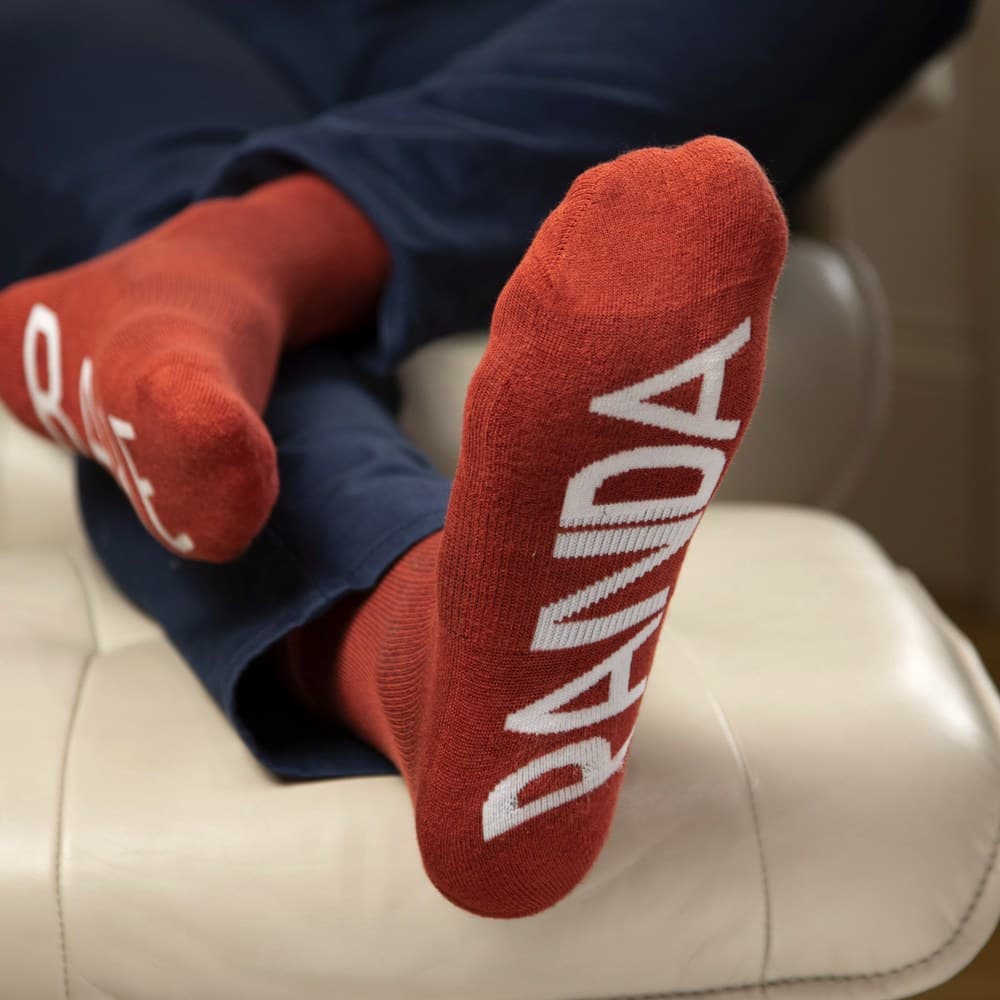
Comfort essentials tick all three. A pair of bamboo crew socks, a sleep mask for frequent flyers, or a travel pouch packed with small essentials all get used long after a stress ball has been binned.
If you are shortlisting ideas beyond your own client base, our guide to thoughtful gifts under $50 and gifts for people who have everything both apply well to corporate recipients, since executives and senior clients are exactly the audience those guides are written for.
What should a corporate gift budget look like by occasion?
Budgets vary by relationship and occasion, but most Australian businesses work within a fairly consistent range. Here is a practical breakdown by common gifting moment.
| Occasion | Typical budget (AUD) | What tends to land well |
|---|---|---|
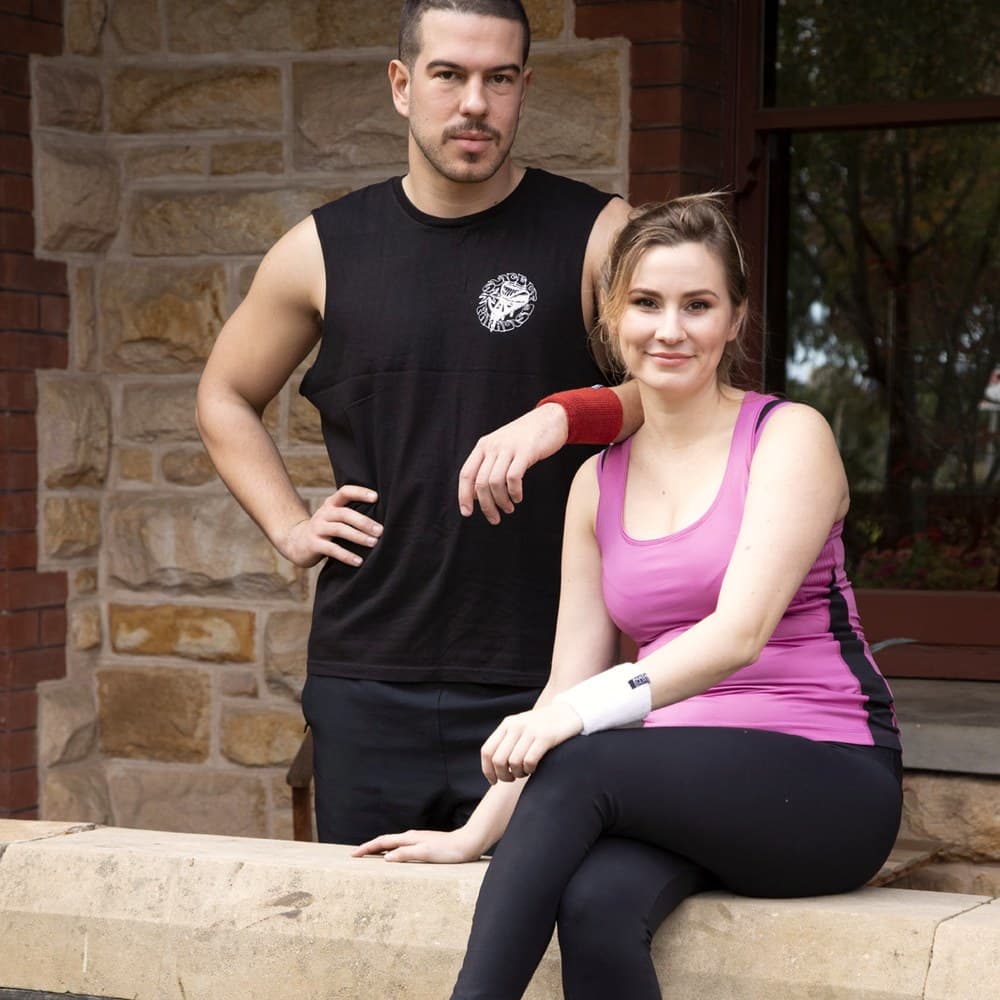
| New client onboarding | $25 to $45 | A single comfort item: bamboo ankle socks or a sport wristband, branded subtly, sent with a short welcome note |
| Client thank-you (project close, referral) | $40 to $70 | A curated set like the PandaBare Comfort Kit, pairing socks with a sleep mask or travel pouch |
| EOFY client appreciation | $50 to $90 | A gift pack that reads as a genuine thank-you rather than a tax-time formality |
| Conference or event swag | $10 to $25 per attendee | Bamboo ankle socks or wristbands in bulk, useful enough to keep beyond the day |
| Key account, end-of-year | $80 to $150 | A full comfort kit or custom bulk order via corporate gifting, with light co-branding |
These are guides, not rules. A $35 gift that solves a real problem will usually outperform a $100 item that feels generic.

Branded merchandise or useful gifts: which wins with clients?
This is the real decision most gifting programs get wrong, and it is worth being direct about it.
Heavily branded merchandise (the kind covered edge to edge in a logo) signals marketing spend, not appreciation. It is also the category most likely to be thrown away, since the item's usefulness is usually secondary to the branding. A shift toward quality over quantity in corporate gifting has been widely reported, with more companies choosing fewer, better items over large runs of low-cost branded stock, as covered by Stacker's reporting on the end of throwaway corporate swag.
The alternative is not "no branding". It is proportional branding: a small embroidered mark on a genuinely good product, rather than a logo that dominates the item. This is where comfort essentials do well. A soft bamboo sock or a neatly packed travel pouch can carry a subtle brand tag without looking like a marketing handout.
If you are weighing this decision for a specific event, our guide to Christmas stocking fillers that avoid landfill covers the same principle from a consumer angle, and the logic holds just as well for corporate recipients.

When is the best time to send corporate gifts in Australia?
Two windows dominate Australian business gifting: Christmas (which falls in summer here) and the end of financial year on 30 June.
Christmas is the most common gifting moment, but it is also the most crowded. Your gift arrives alongside a dozen others on the same desk in the same week. EOFY, by contrast, is a genuinely underused window: it lands mid-year, avoids the December pile-up, and pairs naturally with a "thank you for the year so far" message rather than a generic holiday card.
A third option worth considering is milestone-based gifting: sending something when a project wraps, a contract renews, or a referral comes through. These moments carry more personal weight than a calendar date, and a well-timed comfort gift (a sleep mask after a big travel-heavy project, for instance) reads as considered rather than automatic.
If your client base travels frequently for work, our guide to long-haul flight comfort kits is a useful reference for building a travel-focused gift that a busy client will genuinely use.
Are corporate gifts to clients tax deductible in Australia?
This is a common question, and it is worth answering carefully rather than confidently, because the rules genuinely depend on the specifics of the gift and the relationship.
In general terms, the distinction that matters is entertainment versus non-entertainment. Non-entertainment gifts, given with the clear purpose of generating future business, such as a hamper, a branded item, or a gift voucher, tend to be treated differently to entertainment-style gifts like event tickets, concerts, or client dinners, which are often not deductible. You can read the ATO's own framing of entertainment scenarios for business on the ATO website, and general guidance on the deductibility question from firms like Wood Accounting and the Small Business Development Corporation.
None of this is tax advice, and it should not be treated as a final answer for your business. Keep your receipts, note down why the gift relates to generating future income, and confirm your specific position with your accountant or the current ATO guidance before you claim anything.
How PandaBare approaches corporate gifting
PandaBare's corporate gifting service is built around the same idea running through this whole guide: give something a client will actually use.
Bamboo crew and ankle socks, sport wristbands, sleep masks and travel pouches can be ordered in bulk, packed as a Comfort Kit or gift pack, and lightly branded without turning the item into a walking billboard. Minimum order quantities, turnaround times and co-branding options are handled directly through the corporate gifting page, which is the fastest way to get a quote for an onboarding run, an EOFY thank-you, or a conference giveaway.
If you are choosing between sock styles for a bulk order, it is worth a quick read of crew vs ankle socks first, since the right fit varies by how the socks will actually be worn, in an office, on a flight, or around the house.
FAQ
What are corporate gifts clients actually keep, rather than bin? Clients keep things they would have bought for themselves: comfort items, quality basics, and anything genuinely useful at home, in the office or on a flight. Heavily logoed items rank lowest for long-term use, while subtle branding on premium, everyday essentials performs far better.
Are client gifts tax deductible in Australia? This is genuinely nuanced and depends on your specific circumstances, so treat this as general information, not tax advice. In broad terms, non-entertainment gifts given to generate future business are more commonly deductible than entertainment-style gifts such as event tickets or dinners, but you should confirm your position with your accountant or current ATO guidance before claiming anything.
When should Australian businesses send corporate gifts: Christmas or EOFY? Christmas remains the busiest gifting window, which also means client inboxes and desks are flooded with gifts at the same time. Sending around EOFY (30 June) or after a project milestone can help your gift stand out and land at a genuinely useful moment.
Is branded merchandise still worth giving to clients? Branded merchandise works best when the item itself has value beyond the logo. A well-made, comfortable essential with a small, tasteful brand mark tends to get kept and used, while heavily branded, low-quality items are more likely to be discarded.
How much should a business budget for a client gift in Australia? Most Australian businesses sit somewhere between $20 and $150 per client gift, depending on the relationship and occasion. A thoughtful $40 to $60 comfort-focused gift often reads as more considered than a $100 item with a heavy branding footprint.
GENERATION PROMPT (not yet generated): A soft, tactile, premium flat-lay style photograph of a neat row of matching corporate gift boxes ready for dispatch, in linen and warm off-white tones, with bamboo used only as a subtle accent (a small sprig or woven detail, not a literal plant motif), natural daylight from the side, calm and uncluttered styling on a plain timber or linen surface, no cartoon pandas, no fake-looking 3D product renders, no visible brand logos or AI-tool watermarks in the frame.